June 16, 2026
Pruning and trimming are essential practices in tree maintenance, aimed at optimizing tree health and increasing their functional benefits. Regular maintenance not only keeps trees healthy but also maximizes the natural shade they can offer. Professional tree services help homeowners maintain healthy canopies that improve shade coverage and energy efficiency. We will explore how these techniques can be effectively employed to improve shade quality and contribute to reduced energy expenses in a sustainable manner.
Investing time and effort in tree care can yield multifaceted benefits, from lowering utility bills to enhancing property value. Understanding the intricacies of tree canopies, optimal maintenance schedules, and the latest innovations in arboriculture will equip homeowners and property managers alike with the knowledge to make informed decisions. Let us embark on this journey to explore how pruning and trimming trees can be a strategic move for energy conservation.
Tree Canopy and Its Role in Providing Shade
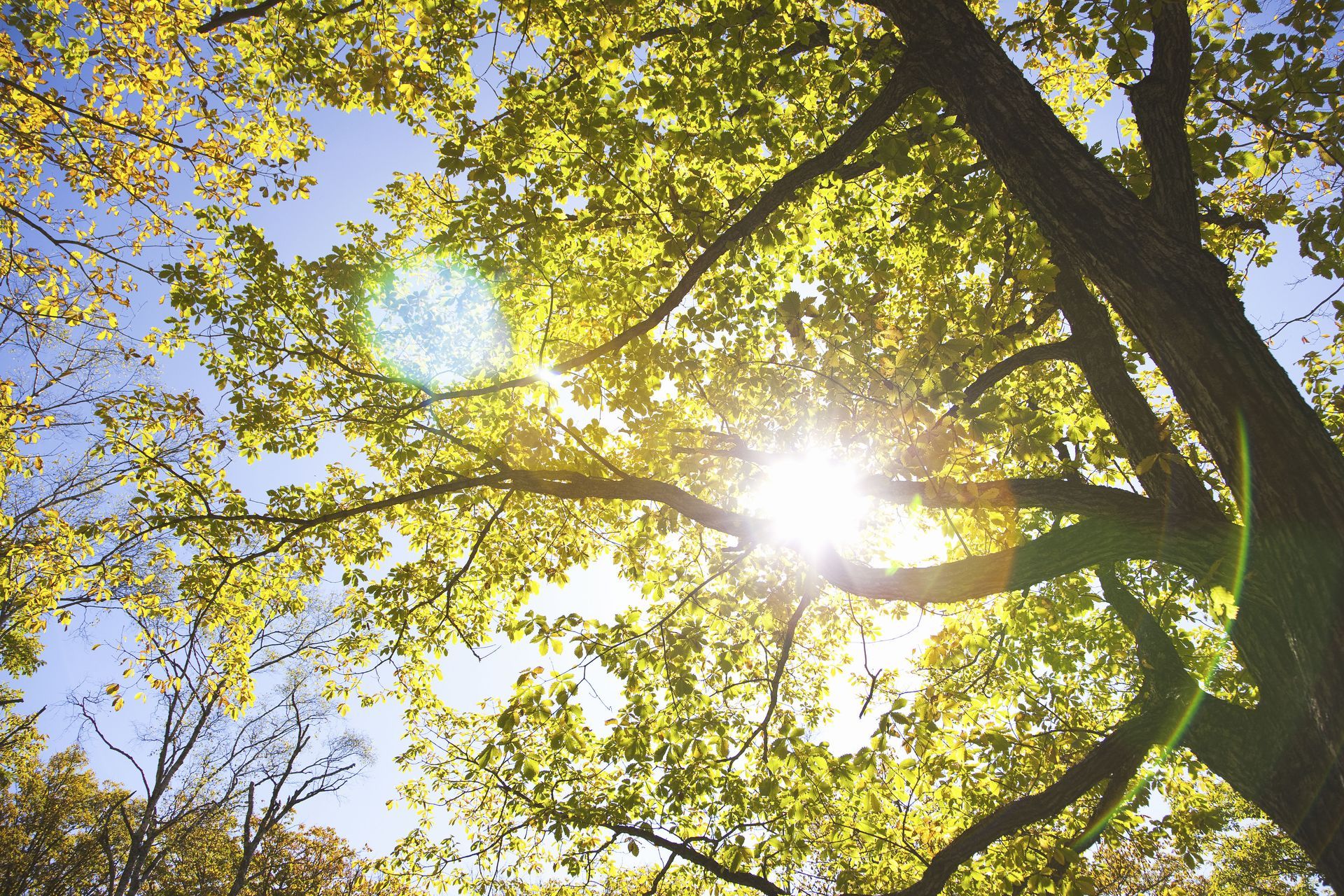
Tree canopies function as a protective covering over urban landscapes, moderating temperatures by blocking solar radiation. They consist of overlapping branches and leaves that absorb and reflect sunlight, creating a cool environment underneath. The extent of a tree canopy's shade can vary based on species, size, and health, significantly influencing its cooling capacity.
Optimal canopy development relies on regular maintenance, which involves pruning excess growth to encourage efficient sun capture. When properly trimmed, tree canopies are more effective in providing consistent and beneficial shade. Many homeowners rely on experienced tree services to ensure their trees receive the care necessary for long-term growth and performance. As trees mature, understanding their specific canopy dynamics is critical for maximizing the shading benefits they can provide.
Besides cooling, tree canopies support urban biodiversity, offering habitats for numerous species. By understanding the complex interplay between tree canopies and their environment, we can better harness their potential to influence and improve local climates. Moreover, strategic canopy management enhances the long-term sustainability of urban green spaces.
Certain tree species are particularly renowned for their shade-giving capabilities due to their expansive canopies. Deciduous trees like oaks, maples, and elms are often favored in urban landscapes for their wide-ranging branches and dense foliage. These trees not only block sunlight but also allow for seasonal solar access, offering warmth during the winter months.
Evergreens, while on the other end of the spectrum, provide consistent, year-round shade and are ideal in regions with mild winters. The selection of the right tree type for shading purposes should consider both the specific climate conditions and the desired energy efficiency outcomes. Integrating diverse tree species within a landscape can also enhance ecological resilience and visual appeal.
According to Money.com, one tree planted on the west side of your home can reduce its energy bills by 3% in five years and 12% by year 15. When thoughtfully positioned, these trees create natural barriers against the harsh afternoon sun, leading to significant energy savings. Such strategic planting combined with disciplined maintenance can maximize the climatic benefits of trees.
The interaction between tree shade and ground surfaces plays a crucial role in mitigating heat absorption in nearby structures. When trees absorb sunlight through their foliage, they intercept heat before it reaches roofs and walls, significantly lowering indoor temperatures. This natural shading effect reduces the dependency on air conditioning, emphasizing trees as sustainable cooling resources.
The heat absorption reduction offered by tree shade works synergistically with other shading solutions, such as awnings and reflective roof materials, to further decrease a building's heat load. As the surfaces beneath trees remain cooler, less heat is eventually re-radiated back into the environment, contributing to an overall cooler microclimate. Understanding these dynamics is essential for incorporating trees effectively into energy conservation strategies.
Trees can thus serve as integral components in urban planning, especially in areas struggling with the urban heat island effect. Properly-managed shade trees help manage local temperature variations, promoting environmental balance. By prioritizing tree planting and maintenance, communities can proactively counteract air temperature rises and improve urban quality of life.
Assessing the efficiency of tree canopies in providing shade and reducing energy costs involves evaluating both the structural and functional characteristics of the trees. Indicators of efficiency include the size, density, and health of the canopy, which can influence the amount of shade produced. Canopy efficiency also depends on how well they are positioned to block direct sunlight and facilitate air circulation.
Importance of Regular Pruning and Trimming
Pruning and trimming are often used interchangeably, but they serve different functions in tree maintenance. Pruning typically involves the selective removal of branches to improve tree health, increase light and air penetration, and shape tree growth. In contrast, trimming often focuses on enhancing the tree's aesthetic appearance and removing overgrowth that may pose unwanted intrusion.
While pruning is typically conducted on a seasonal basis to align with the tree's natural growth cycle, trimming may be performed more frequently based on aesthetic and practical needs. Understanding the distinction between these two practices is crucial for implementing effective tree maintenance strategies. Both pruning and trimming contribute in unique ways to tree vigor and energy conservation.
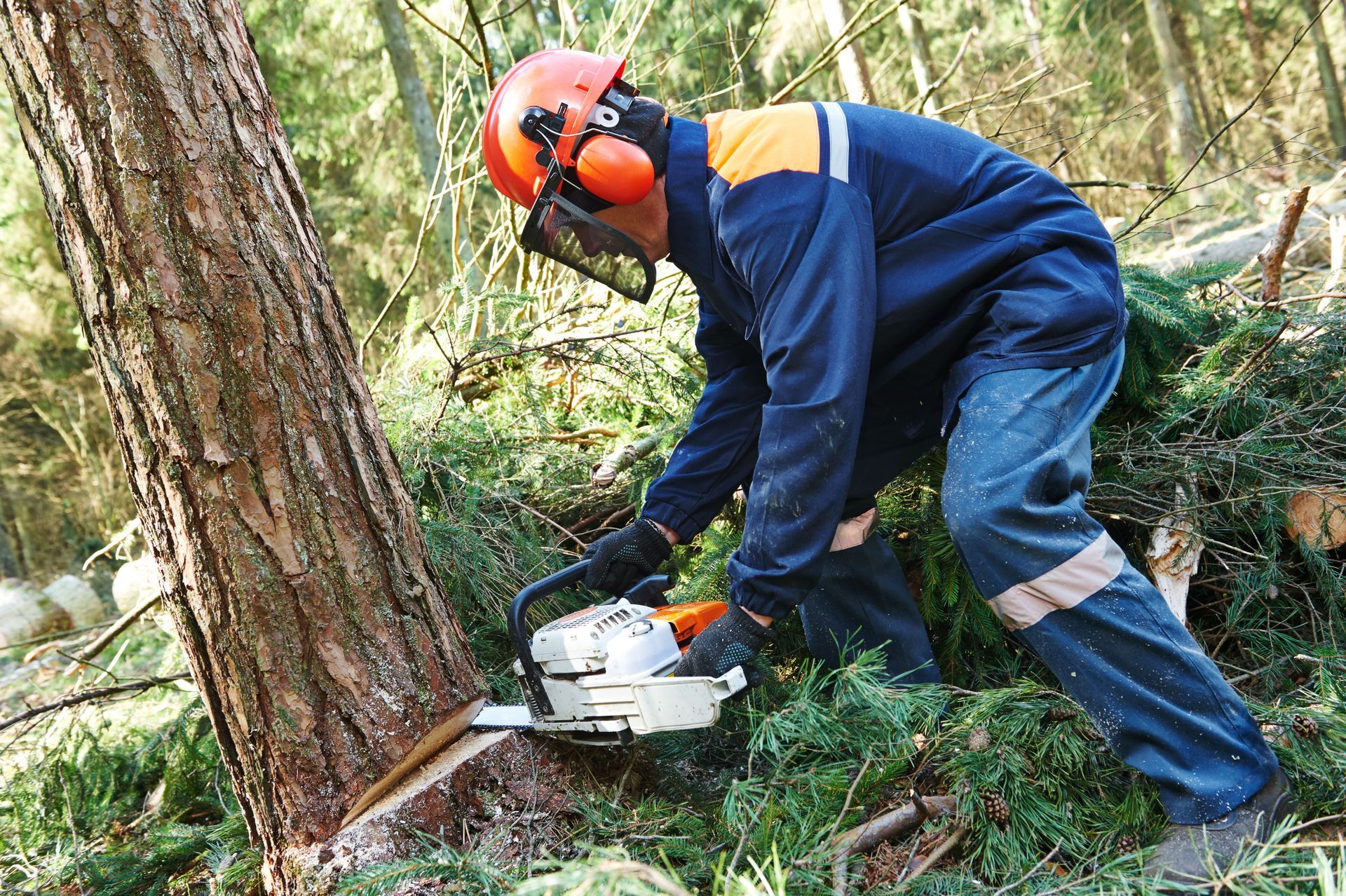
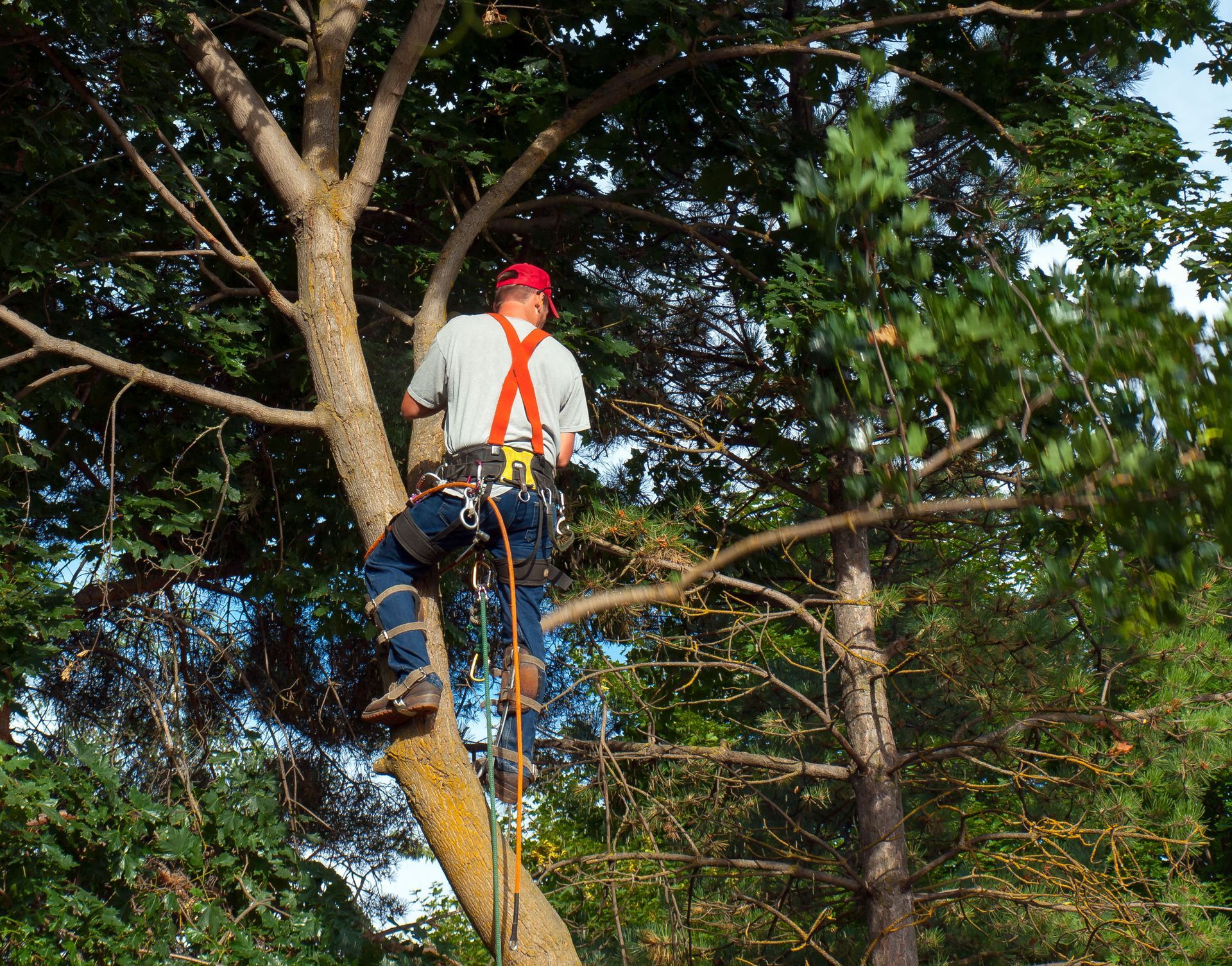
Proper implementation of these maintenance tasks requires familiarity with tree species, growth patterns, and environmental conditions. Employing suitable techniques ensures that trees develop optimally, maximizing their shading potential and lowering cooling expenses. Many property owners turn to qualified tree services to perform pruning and trimming safely while preserving the health and structure of their trees.
Regular maintenance through pruning and trimming significantly impacts tree health, influencing their ability to produce shade and enhance energy efficiency. These practices promote robust tree development by avoiding limb crowding and fostering healthy trunk growth. Trees in optimal health are more resilient to adverse weather conditions and pest pressures, providing reliable shade benefits over time.
Conversely, neglecting regular maintenance can lead to uncontrolled growth, resulting in compromised tree structure and diminished shading effectiveness. In severe cases, lack of care may even lead to tree mortality, requiring costly replacements and disruptions to existing shade coverage. Regular interventions ensure that trees remain functional members of their ecosystems, delivering sustained ecological and energy savings.
Moreover, maintaining tree health through routine care extends the tree’s lifespan, allowing property owners to derive long-term benefits from their investment. Properly cared-for trees play an integral role in reducing local heat loads and improving urban air quality. Recognizing the positive impacts of regular maintenance emphasizes the value of consistent tree care as a component of sustainable urban living.
The frequency of pruning and trimming varies depending on factors such as tree species, growth habits, and regional climatic conditions. Generally, most trees benefit from an annual inspection and pruning session to address any immediate health and safety concerns. Certain fast-growing species may require more frequent trimming to maintain an appropriate shape and size.
Understanding the ideal timing and frequency for these tasks ensures that tree care efforts are both efficient and effective. Coordinating tree maintenance activities with seasonal growth patterns can enhance the health outcomes and shading efficacy of urban trees. Implementing a customized maintenance schedule tailored to individual trees helps optimize their growth potential and structural integrity.
A proactive scheduling approach can prevent overgrowth issues that might arise from neglect and can avoid the hasty and potentially harmful interventions. Incorporating observations and recommendations from professional arborists and reputable tree services can further refine these practices. By tailoring frequency and method to specific conditions, property owners can optimize shade benefits and cooling cost reductions.
Monitoring for changes in tree appearance, such as reduced leaf density or abnormal growth patterns, can provide valuable insights into its condition. Addressing these issues ensures that trees continue to function as valuable components of energy-saving strategies. Partnering with dependable tree services helps property owners maintain attractive, healthy, and efficient landscapes while protecting the long-term value of their trees. For professional tree services you can rely on, contact Hudson Tree Service today.