October 20, 2026
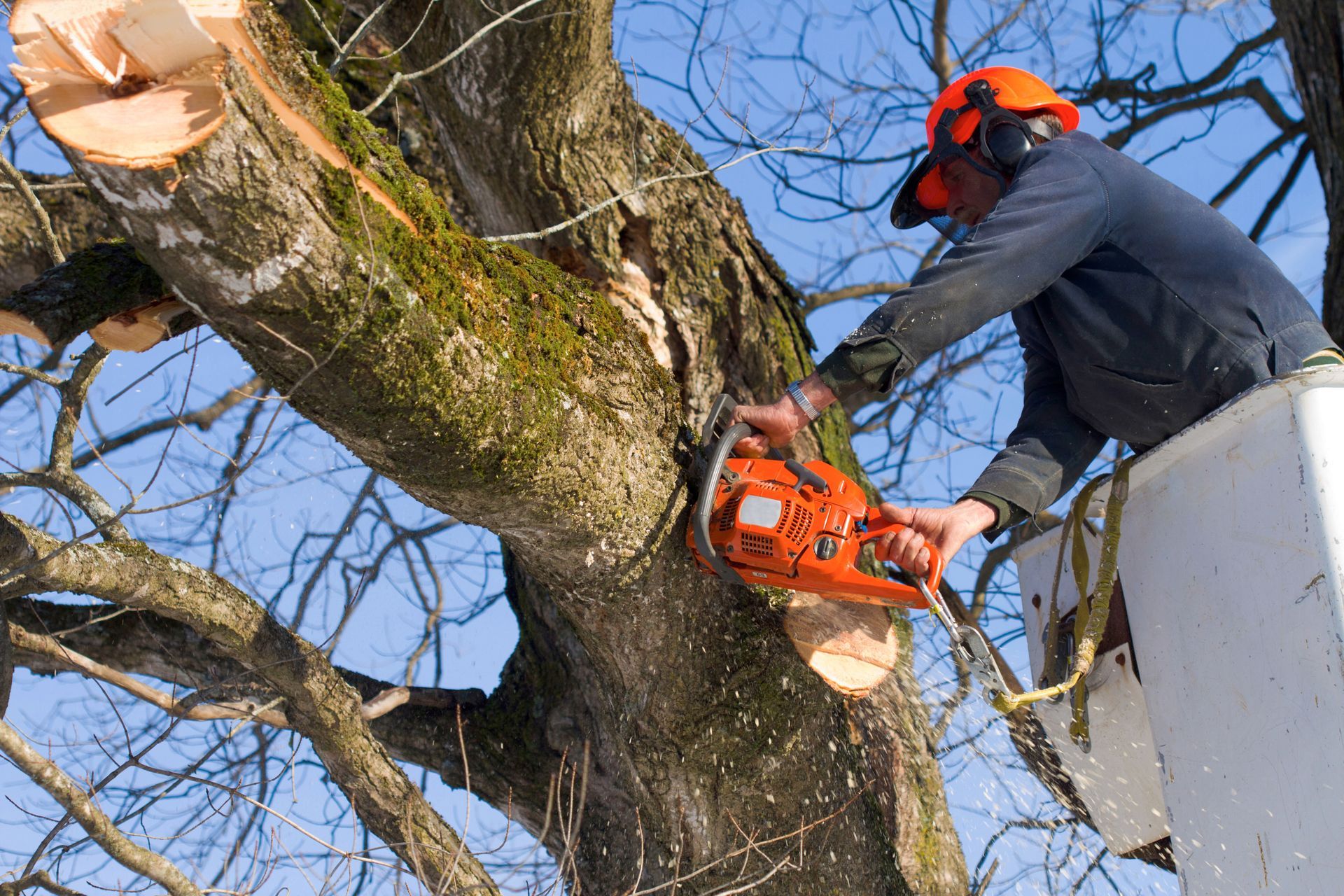
Understanding when to prune, trim, or remove a tree can be essential for maintaining property safety and aesthetics. This guide will help you determine the appropriate course of action for your trees using a simple checklist approach. Trees are a vital part of our landscape, offering shade, reducing noise pollution, and improving the air quality. However, there are times when tree maintenance becomes necessary to preserve these benefits and prevent future problems.
1. How do I know if my tree needs trimming or tree removal?
1.1 Assessing Tree Health
The first step in determining the need for tree trimming or removal is assessing the tree’s overall health. Check for signs like dead branches, leaf discoloration, or lack of foliage, which could indicate a need for trimming or even removal. Trees suffering from disease or severe infestation might require more than just pruning to recover health, making removal the only viable option.
It's crucial to examine if interior sections of the tree are rotten or hollow. According to the University of Maryland, you should consider tree removal if one-third of the tree's interior is hollow or rotten. Such conditions can compromise the tree structure, posing significant risks if not addressed promptly.
1.2 Signs of Structural Damage
Structural damage in trees often manifests through split branches, deep cracks, or a leaning trunk, and these are serious indicators that warrant immediate attention. A leaning tree makes a compelling case for removal, especially if the incline is progressive and accompanied by exposed roots. These symptoms might often be subtle, but their impact is profound, threatening the tree’s stability.
Regular inspection to catch such defects early can save thousands in possible damages and ensure that unsafe conditions don't escalate. It’s wise to consult a certified arborist who can assess structural integrity and recommend corrective action, whether through specialized trimming or removal.
1.3 Evaluating Growth Patterns
Another crucial aspect is evaluating the growth patterns of your tree. Uncontrolled or undesired growth might necessitate trimming to prevent traffic obstruction or interference with power lines. An overly dense canopy can not only block out light but may also lead to weakened branches due to increased weight.
Professional pruning can encourage healthier growth, help direct the structure of young trees, and maintain balance in older, more established ones. When growth conflicts with essential functions or aesthetics of the landscape, it’s important to tackle the concerns swiftly to prevent future issues.
1.4 Considering Environmental Factors
Environmental factors heavily influence the decision to prune or remove trees. Local weather events, such as storms, can cause severe damage necessitating emergency removal especially if trees are at risk of falling onto structures. Similarly, trees in proximity to construction sites may need removal if their root systems could be disturbed during development.
Furthermore, the seasonal climate is a vital factor when scheduling maintenance activities. Trimming during dormancy off-seasons minimizes stress on trees and optimizes recovery, whereas removal may be essential in cases when trees threaten to compromise the environment’s ecological balance.
2. What are the benefits of tree pruning versus tree removal?
2.1 Improving Tree Health
Pruning is an effective tool for improving the overall health of a tree. By removing dead or diseased branches, pruning enables better light penetration and air circulation within the canopy, reducing the likelihood of fungal infections. Proper pruning can rejuvenate struggling trees, fostering new growth and improving resilience against pests and diseases.
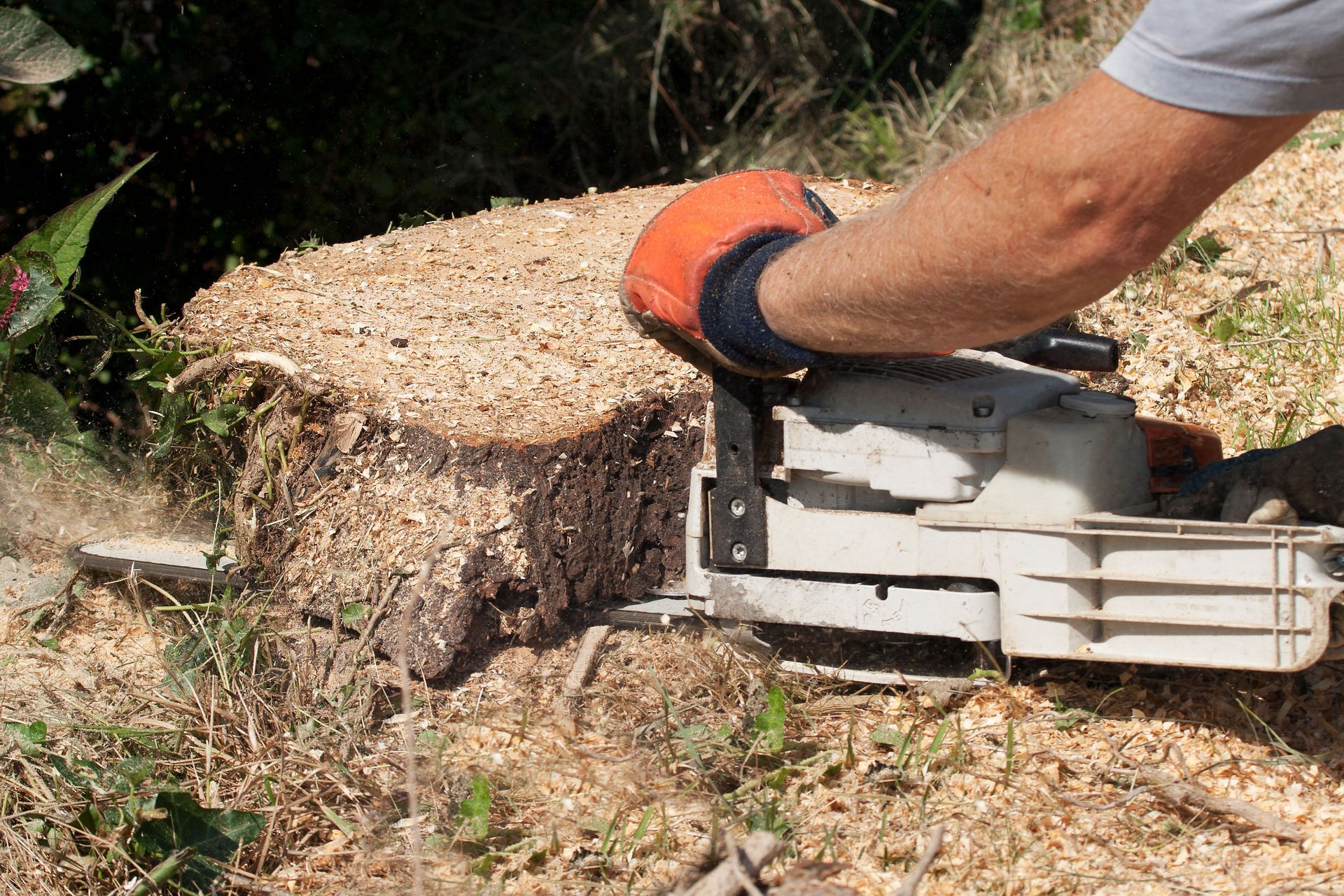
On the other hand, tree removal offers a permanent solution to problems when health interventions through pruning are no longer effective. It ensures that decaying trees do not pose future risks to the landscape and opens opportunities for land restoration or revitalization through new plantings.
2.2 Enhancing Aesthetic Appeal
Well-maintained trees contribute significantly to the aesthetic appeal of a property. Through strategic trimming, you can sculpt trees to provide symmetry and balance to a landscape, enhancing its visual appeal. This practice not only contributes to a pleasing environment but also boosts property values.
Conversely, tree removal might be considered when a tree detracts more from a landscape’s aesthetics than it adds. For example, misshapen or poorly situated trees may create an impression of overgrown or neglected space, meaning removal may actually maximize the landscape's overall visual impact.
2.3 Preventing Safety Hazards
Pruning is an essential safety measure, preventing branches from encroaching on power lines or obstructing pathways that could lead to accidents. The removal of weak or diseased limbs mitigates risks posed by falling branches during adverse weather conditions.
That said, sometimes tree removal is the best option for eliminating safety hazards. If structural integrity is compromised, a tree can pose significant risk to property and people, making its removal necessary to ensure safety, especially in urban or densely populated areas where space is constrained.
2.4 Promoting Growth of Nearby Plants
Trimming allows more sunlight to penetrate through the canopy to the plants below, fostering a thriving undergrowth environment. Moreover, by strategically removing growth, resources such as water and nutrients are better distributed, boosting the health of both the tree and nearby vegetation.
Alternatively, removing large or invasive trees which overshadow or outcompete smaller species may drastically improve the growing conditions for other plants. Consequently, tree removal can be a catalyst for improving biodiversity and ecological health of an area.
3. When is tree removal necessary for property safety?
3.1 Identifying Hazardous Trees
A hazardous tree poses an imminent danger due to its current conditions and potential for falling or causing damage. Severe storm damage, extensive disease, or pest infestation typically renders a tree hazardous and may necessitate removal from the landscape.
Regular assessment of trees can identify potential hazards early. Professionals use criteria like tree lean, root exposure, and canopy condition to classify a tree as hazardous. Prioritizing removal under these circumstances is essential to maintain safety standards.
3.2 Assessing Proximity to Structures
Trees located too close to buildings, roads, or other structures might need to be removed to prevent costly damage. Root systems may disrupt foundations or utilities, while large branches overhanging roofs pose another type of structural threat during severe weather.
Assessment includes evaluating risks and benefits based on tree size, root spread, and the potential impact area for falling branches. Being proactive about removal could avert irreversible damage and preserve the integrity of nearby structures.
3.3 Analyzing Root System Impact
The root system's health and spread significantly influence the decision to remove a tree. Roots can undermine sidewalks, driveways, and other pavements, leading to hazardous walking surfaces and structural damage. They can also invade underground pipe systems.
A thorough analysis involving the mapping of root extent and depth can guide property owners in the decision-making process. Often, when trees have caused significant root-related damages, removal becomes inevitable to prevent further complications.
3.4 Evaluating Emergency Situations
Emergency situations that require immediate tree removal include severe storm impacts, fire-damaged trees, or those struck by lightning. Quick assessment and action in these scenarios can forestall potential secondary damage to the surrounding property.
During emergencies, it's crucial to contact experts with the appropriate equipment and knowledge to safely complete the removal. Rapid response in such contexts is often critical to mitigate safety risks and prevent broader economic losses.
The decision between tree trimming and complete tree removal should be informed by an understanding of the tree's condition, safety concerns, and aesthetic goals. Utilizing a checklist approach can help ensure that the right decision is made to maintain a healthy and beautiful environment. Not only do these strategies safeguard against liabilities, but they also maintain the integrity of the landscape for future enjoyment and sustainability. Reach out today to see how Hudson Tree Service can help you!