June 18, 2026
Trees are essential components of our ecosystems, providing numerous benefits ranging from enhancing biodiversity to improving air quality. Despite their importance, there are situations where tree removal becomes necessary for various reasons. Understanding common misconceptions around tree removal helps in making informed decisions that protect both the environment and personal property.
Many people mistakenly believe that tree removal is always detrimental to the environment. However, in certain contexts, it is a crucial part of ecosystem management and can even contribute to healthier landscapes. Addressing these misconceptions is vital not only for the health of our natural surroundings but also for ensuring safety and maximizing property values.
According to the Arbor Day Foundation, planting large trees can increase property values by 3% to 15%, illustrating the economic benefits of well-managed tree ecosystems. As we delve into these misconceptions, it's important to recognize the balance required between tree preservation and removal. By dispelling these myths, you can contribute to sustainable land management practices.
Misconception 1: Tree Removal Is Always Bad for the Environment
Tree removal plays a significant role in ecosystem management, especially in forested areas where overcrowding can affect overall health. Removing specific trees can reduce competition for nutrients and sunlight, allowing remaining trees to flourish. Invasive species often require removal to protect indigenous flora and fauna. In urban settings, strategically removing trees prevents potential hazards while supporting urban greenery. Thus, tree removal is not inherently bad but serves as a tool for maintaining ecological balance.
Sustainable management practices include evaluating when and where tree removal would be beneficial. For instance, removing dead or diseased trees prevents the spread of pests and diseases, maintaining ecological health. Urban planners often consider tree species that are environmentally appropriate, removing trees that pose threats or have become overgrown. A comprehensive understanding of these factors allows for an informed approach to managing natural resources. This holistic view highlights how tree removal, when done correctly, supports environmental goals.
Misconception 2: Any Arborist Can Remove a Tree Safely
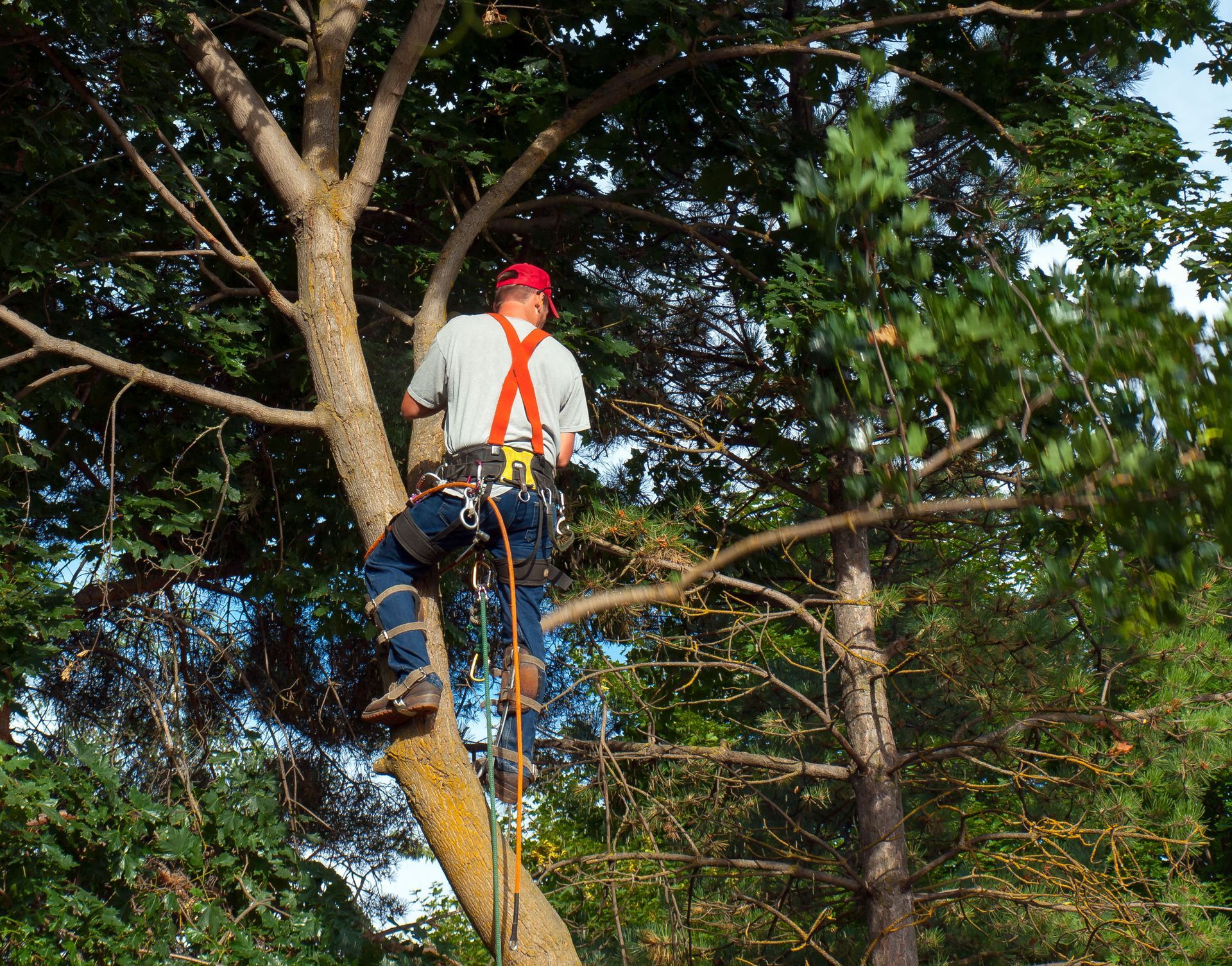
Not all individuals who claim to be arborists possess the necessary qualifications to conduct tree removal safely. Certified arborists undergo rigorous training and adhere to industry standards, ensuring that their methods are both effective and safe. Hiring certified professionals reduces the risk of damage to property or injury. This underscores the necessity of verifying the expertise of arborists before entrusting them with tree removal tasks.
Different arborist services cater to unique tree management needs, emphasizing the importance of selecting the right professional for the job. While some arborists specialize in pruning and maintenance, others are experts in hazardous tree removal. Understanding these differences prevents mismatches that could lead to suboptimal outcomes. Just as not all doctors are surgeons, not all arborists are skilled in high-risk removals. Select appropriate specialists based on project demands to ensure comprehensive care and precision.
Misconception 3: All Trees Have Deep Root Systems
Not all trees have deep root systems, as root depths vary widely among species. While some trees develop extensive root networks, others have roots that spread out just below the surface. Trees like oaks and pines may have deeper root systems, whereas birches and maples often do not. Understanding this variation is crucial when considering tree removal, root health assessments, or potential hazards. Recognizing these nuances helps clarify misconceptions and informs tree care decisions.
The type of soil in which trees grow also significantly impacts root development. Sandy soils may lead to deeper roots as trees seek moisture, while clay soils often support shallower root systems. Soil composition, compaction, and drainage affect the stability and health of tree roots. Homeowners should consider these factors when evaluating trees for removal, especially those near structures or open areas. Awareness of root behavior is key to maintaining healthy landscapes and preventing damage.
Misconception 4: Tree Removal Is Too Costly
The perception that tree removal is excessively costly often arises from a lack of understanding of cost factors. Several elements influence pricing, including tree size, location, and condition. Larger trees typically require more labor and equipment, driving up costs. Additionally, trees located near power lines or buildings involve more complex removal processes. Considering these variables, it's clear that tree removal costs are not uniform and can be managed with strategic planning.
Long-term savings stem from proactive tree management, contradicting perceptions of high immediate expenses. Consistent care prevents emergency removals, which can be significantly more expensive. Investing in regular maintenance allows for early detection of issues, reducing overall costs. Additionally, healthy trees enhance property value and can provide returns on investment. Given these factors, tree removal is not simply an expense but a financial investment toward property health and safety.
Evaluating quotes and selecting affordable services are crucial for budgeting tree removal effectively. You should seek multiple quotes from certified arborists to understand market rates. Transparent pricing, inclusive of all services offered, is essential for avoiding unexpected costs. Additionally, understanding the specifics of what each quote includes ensures proper comparison. Taking these steps empowers you to make informed, fiscally responsible decisions about tree removal services.
Misconception 5: Dead Trees Don't Pose a Threat
Contrary to the misconception, dead trees pose significant safety hazards, particularly in urban areas. Dead branches become brittle and can fall, posing risks to people, vehicles, and structures. Over time, an entire tree can succumb to internal decay, leading to its collapse even without external pressure. Such trees near homes or power lines are especially dangerous during storms. Thus, identifying and managing dead trees is crucial for safety and compliance with local ordinances.
Weather conditions greatly affect the risks associated with dead trees. High winds, heavy snowfall, and ice accumulation can expedite the failure of structurally compromised trees. During adverse weather, dead trees can become unpredictable projectiles, inflicting substantial damage and posing life-threatening hazards. Planning for tree removal ahead of severe weather forecasts mitigates such risks. In doing so, property owners can protect against potential liabilities and maintain a safe environment.
Legal responsibilities regarding dead trees often lie with property owners, emphasizing the importance of awareness and action. Local laws typically require homeowners to address dead trees that pose a threat to neighboring properties. Failure to act can result in fines or liability for damages caused by neglect. Understanding regulatory requirements prevents legal repercussions and encourages timely tree removal. Engaging certified arborists for evaluation and removal can help ensure compliance with local regulations.
Misconception 6: Tree Stump Removal Is Unnecessary
Leaving untreated stumps in place can inadvertently create habitats for pests, leading to infestations. Termites, ants, and beetles often colonize decaying stumps, posing risks to surrounding healthy trees and structures. Such infestations can spread, requiring more extensive corrective measures than simple stump removal. Understanding these risks underscores the importance of thorough tree and stump management. Addressing pest concerns erases the misconception that stump removal can be neglected without consequences.
Stumps can be a source of diseases that may spread to nearby trees, threatening landscape health. Pathogens residing within decomposing wood can transfer to living trees via root systems. Ignoring this aspect allows disease spread, ultimately leading to the loss of additional trees. Integrating stump removal with broader disease management strategies aids in maintaining healthy environments. Hence, proactive stump removal serves as a preventive measure against costly, widespread tree damage.
Aesthetically, stumps can detract from the visual appeal of landscapes and pose logistical challenges during maintenance. Landscaped areas with protruding stumps are difficult to mow and navigate, limiting their functionality and charm. Removing stumps opens up design possibilities, allowing for new plantings or aesthetic enhancements. Stump removal options vary, including grinding or complete extraction, each offering distinct benefits. By considering these factors, property owners can pursue effective stump management and benefit from improved landscape aesthetics.
Tree removal involves various complexities often obscured by prevailing misconceptions. Discerning the nuances of each situation ensures that tree removal practices align with environmental needs and property safety. Clear understanding of these common misconceptions empowers you to make informed, responsible decisions. Collaborative efforts with the certified professionals at Hudson Tree Service further ensure the success and safety of these initiatives. Reach out to us today to get started.