September 24, 2026
Keeping trees neat, balanced, and healthy can seem straightforward until the tools come out. Branches vary in weight, angle, thickness, and condition, and even a small cut can affect growth or how safely a limb falls. Homeowners without the right equipment or training can create problems that become more expensive than the original maintenance need.
According to HomeAdvisor, having a tree trimmed every three to five years can help keep its health and growth on track. That schedule can vary by species, age, location, and condition, but routine care matters. Professional tree trimming also lets trained crews spot weak branches, structural concerns, or developing hazards before they become more serious. Here are five common mistakes homeowners make when handling trimming tools on their own.
1. Choosing the Wrong Tools
Using Dull Cutting Equipment
Dull tools require more force and can leave ragged cuts instead of clean ones. Those uneven cuts may damage bark and surrounding tissue, which can make recovery more difficult. A homeowner may compensate by twisting or pulling the tool, increasing the chance of losing control. A minor maintenance issue can quickly become unnecessary tree stress or an injury risk.
Using Tools That Are Too Small
Pruners and small saws are designed for specific branch sizes. Using undersized equipment can lead to repeated cutting, crushed wood, or incomplete removal. It can also tempt someone to force the tool through a limb it was not designed to handle. Professional tree trimming crews select equipment based on branch diameter, height, and location so the work can be completed with better control.
Using Tools That Are Too Large
Oversized tools create a different problem. Heavy saws or long equipment can be difficult to control when a branch is awkwardly positioned or overhead. Extra weight increases fatigue, and fatigue can reduce accuracy. Larger tools may also remove more material than intended, particularly when the person using them has limited experience judging where a proper cut should be made.
Using Damaged Safety Equipment
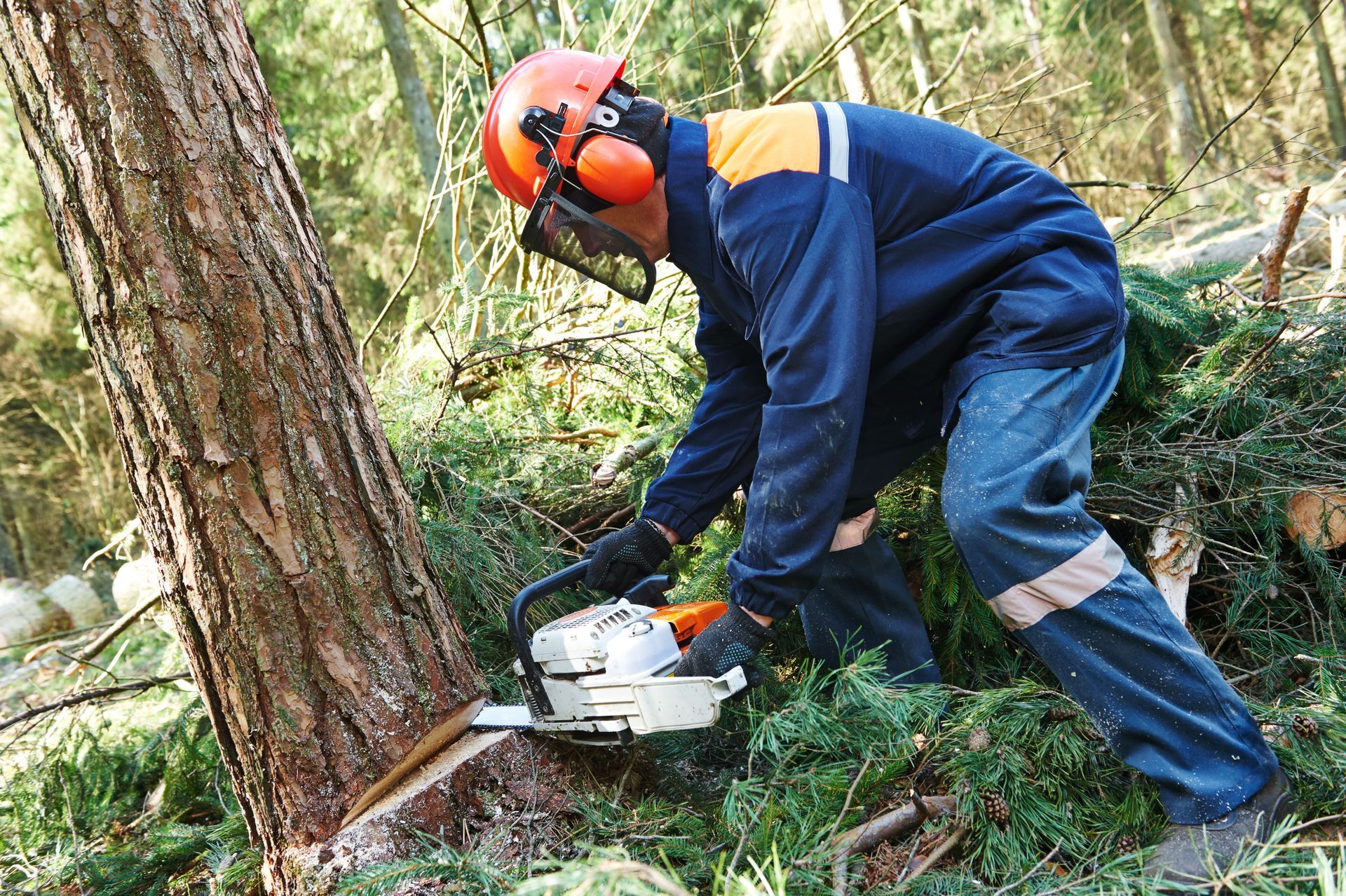
Worn gloves, cracked helmets, unstable ladders, or damaged eye protection can give a false sense of security. Safety equipment only helps when it is in good condition and suitable for the task. Tree work often involves falling debris, sharp edges, uneven ground, and heavy limbs, so equipment failure at the wrong moment can have serious consequences.
2. Cutting Without Understanding Tree Structure
Removing Branches Without a Plan
Every branch contributes to the tree’s overall structure. Removing limbs randomly can unbalance the canopy, expose shaded areas, or shift weight toward one side. A tree may look thinner immediately afterward, but become less stable over time. Proper decisions depend on understanding how individual limbs affect the shape and strength of the entire tree.
Removing Too Much at Once
Removing substantial foliage in one session can place unnecessary stress on a tree. Leaves play an important role in producing energy, and removing too many can affect recovery and future growth. Experienced professionals consider species, season, health, and canopy density before deciding how much material can reasonably be removed during tree trimming.
Removing the Wrong Limbs
Dead, damaged, crossing, and poorly attached branches may deserve attention for different reasons, but they do not all present the same risk. A healthy branch that looks inconvenient may actually be important to the tree’s structure. Misidentifying what should stay can weaken the canopy or create growth patterns that require correction later.
Removing Growth at the Wrong Time
Timing matters because trees respond differently depending on species, climate, growth cycle, and current stress. Some trees may be more vulnerable to disease or insects during certain periods. Without that context, homeowners can schedule work at a time that places additional pressure on the tree rather than supporting its long-term condition.
3. Working Too Close to Hazards
Working Near Power Lines
Branches near utility lines create one of the most serious risks in residential tree work. Electricity can arc, limbs can shift unexpectedly, and cutting equipment may extend farther than anticipated. Extra caution alone is not enough. Work near energized lines requires proper training, clearance procedures, and coordination with qualified professionals.
Working Above Rooflines
Branches hanging over roofs, garages, fences, or sheds can be heavier than they appear. Once cut, a limb may rotate, swing, or drop unpredictably. Professional tree trimming teams account for nearby structures and use controlled methods when removing branches from tight spaces where property damage is possible.
Working From Unstable Ladders
Ladders and tree work can be a dangerous combination because both the person and the branch may move at the same time. Uneven soil, slopes, soft ground, and shifting weight can make a ladder unstable. Reaching too far from a fixed position adds another layer of risk, especially when cutting tools require two-handed control.
Working Around Hidden Obstacles
Landscaping stones, irrigation components, garden beds, parked vehicles, and fencing can all complicate branch removal. Homeowners may focus on the branch and overlook what is below it. Professional crews assess the drop zone, nearby obstacles, and access points before work begins so equipment and falling material can be managed more safely.
4. Ignoring Tool and Equipment Limits
Extending Pole Tools Too Far
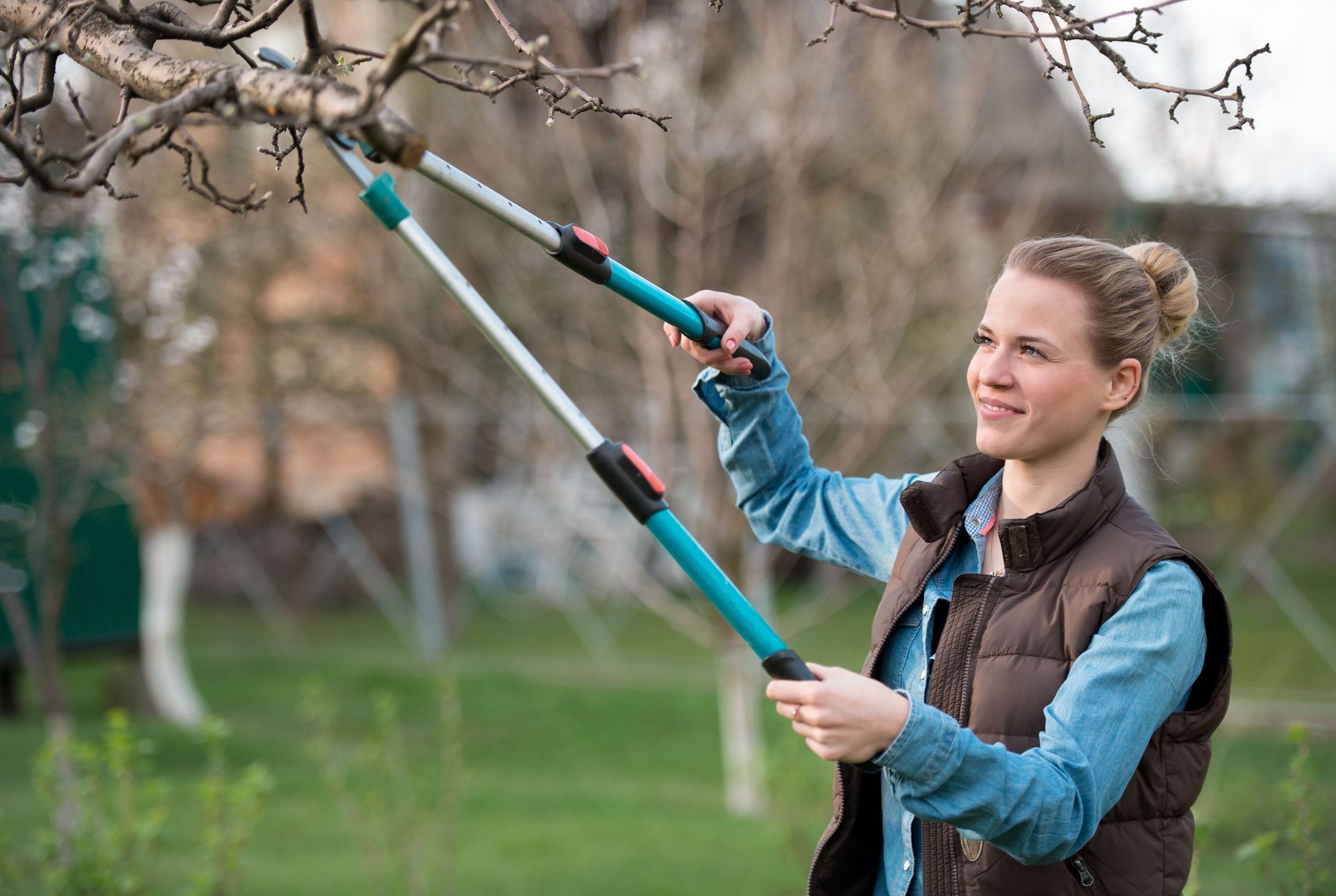
Pole saws and extended pruners are designed to provide reach, but a greater distance also reduces control. A tool can feel manageable at chest height but unstable when fully extended overhead. The farther the cutting head is from the user, the more difficult it becomes to judge movement, branch tension, and the direction of the cut.
Forcing Tools Through Thick Limbs
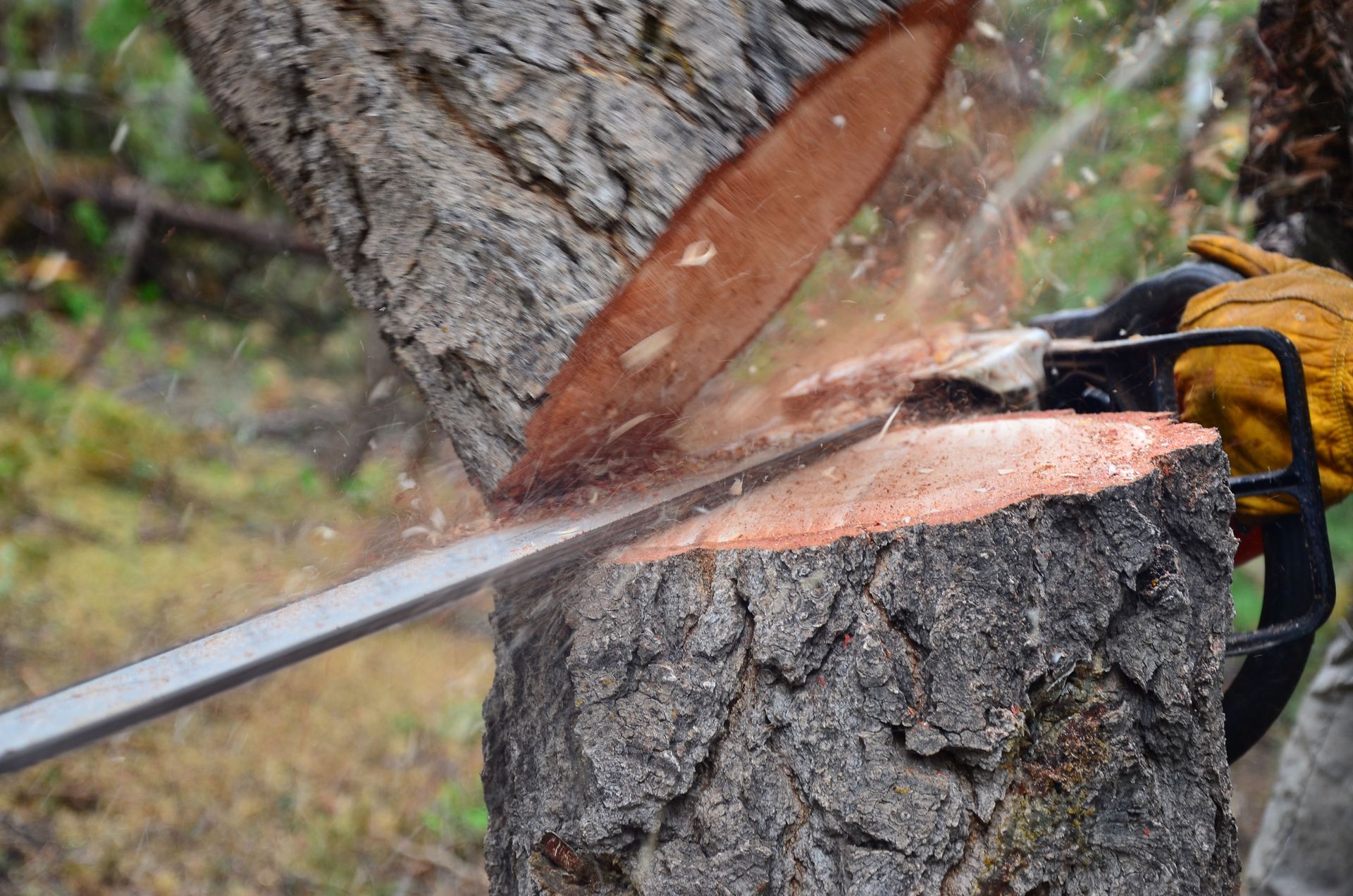
Forcing equipment through a branch can damage both the tool and the tree. Binding blades may kick, slip, or become stuck. A partially cut limb may also split under its own weight. In professional tree trimming, crews match the equipment and removal method to the size and condition of the branch instead of pushing a tool beyond its intended use.
Overlooking Maintenance Requirements
Cutting tools need regular inspection and maintenance to function properly. Loose hardware, worn chains, damaged handles, and dirty moving parts can reduce performance and increase risk. Occasional users may not recognize subtle wear, especially after long periods of storage.
Overlooking Manufacturer Restrictions
Every piece of powered or manual equipment has operating limits. Those limits may include branch diameter, extension length, required protective gear, and approved cutting positions. Ignoring those restrictions can create dangerous conditions and may damage the equipment. The risk increases around ladders, structures, or other people.
5. Underestimating the Risk of Falling Limbs
Misjudging Branch Weight
A branch can weigh far more than expected, especially when it is long, wet, decayed, or densely covered with foliage. Once separated from the tree, gravity takes over immediately. A manageable-looking limb may become uncontrollable once it moves, creating risks for people, pets, landscaping, and structures.
Misjudging Branch Movement
Tree limbs do not always fall straight down. Tension within the branch, nearby limbs, wind, and the location of the cut can influence how it twists or swings. That unpredictability is one reason trained crews use controlled methods during tree trimming rather than relying on a branch’s apparent direction.
Misjudging Decay and Weakness
Decay is not always visible from the ground. A limb may appear solid on the outside while being hollow, cracked, or weakened internally. The same can be true of attachment points where branches connect to the trunk. Applying force to compromised wood can cause sudden failure without warning.
Misjudging the Need for Professional Help
Some projects are simply too high, heavy, complex, or close to hazards for homeowner equipment. Recognizing that limit can prevent damage and serious injuries. Professionals bring specialized tools, climbing systems, protective equipment, and experience evaluating how branches are likely to respond before any cut is made.
Tree care involves much more than owning a saw or pruner. Choosing the wrong equipment, misunderstanding tree structure, working near hazards, exceeding tool limits, and underestimating falling limbs can all turn routine maintenance into a costly problem. Regular tree trimming can help support healthier growth and reduce concerns caused by neglected or poorly managed branches.
If your trees need professional attention, contact Hudson Tree Service today to schedule an evaluation and learn more about safe, dependable care for your property.