October 23, 2026
Tree removal is a high-risk industry characterized by severe operational hazards, especially when complicated by dangerous environmental conditions or compromised structural integrity. Falling limbs, hollow trunks, unstable root systems, and close proximity to residential homes or high-voltage power lines present constant hazards that require rigorous professional oversight. Utilizing certified arborists, specialized rigging machinery, and strategic site planning allows professional companies to manage complex hazards while safeguarding personnel and private property. Examining the strict safety protocols, heavy equipment deployments, and tactical risk management frameworks employed by industry leaders reveals how complex tree removals are executed safely and efficiently.
Assessing Site Risks and Environmental Hazards
Executing a safe, successful project begins with an in-depth preliminary site inspection conducted by certified arborists. Evaluating biological health and structural stability allows technicians to identify internal decay, hollow cavities, bark inclusions, and severe root rot that increase the likelihood of unexpected trunk failure during cutting. Arborists carefully examine the surrounding drop zone, identifying overhead utility lines, adjacent roofs, subterranean septic fields, and nearby structures that restrict traditional felling. Conducting thorough preliminary evaluations establishes the baseline safety profile required to construct a controlled, step-by-step dismantling strategy.
Identifying surrounding environmental hazards includes analyzing local municipal regulations, property easements, and mandatory permit requirements. Obtaining proper municipal permits guarantees that tree operations comply with regional canopy preservation ordinances, wildlife nesting protections, and strict public safety mandates. Navigating municipal guidelines prevents legal disputes, avoids costly administrative fines, and ensures that work complies with official industry standards. Adhering to municipal regulations guarantees that professional tree services operate legally and responsibly within residential neighborhoods.
Maintaining open, transparent communication with property owners is essential during the initial assessment phase. Professional project managers explain potential property risks, outline planned rigging procedures, and establish realistic work timelines before mobilizing heavy machinery. Providing clear site diagrams or digital flight plans helps clients understand how heavy limbs will be lowered safely away from structures. Transparent client communication builds deep professional trust, eliminates misunderstandings, and ensures property owners are fully prepared for the upcoming removal process.
Deploying Specialized Machinery and Safety Gear
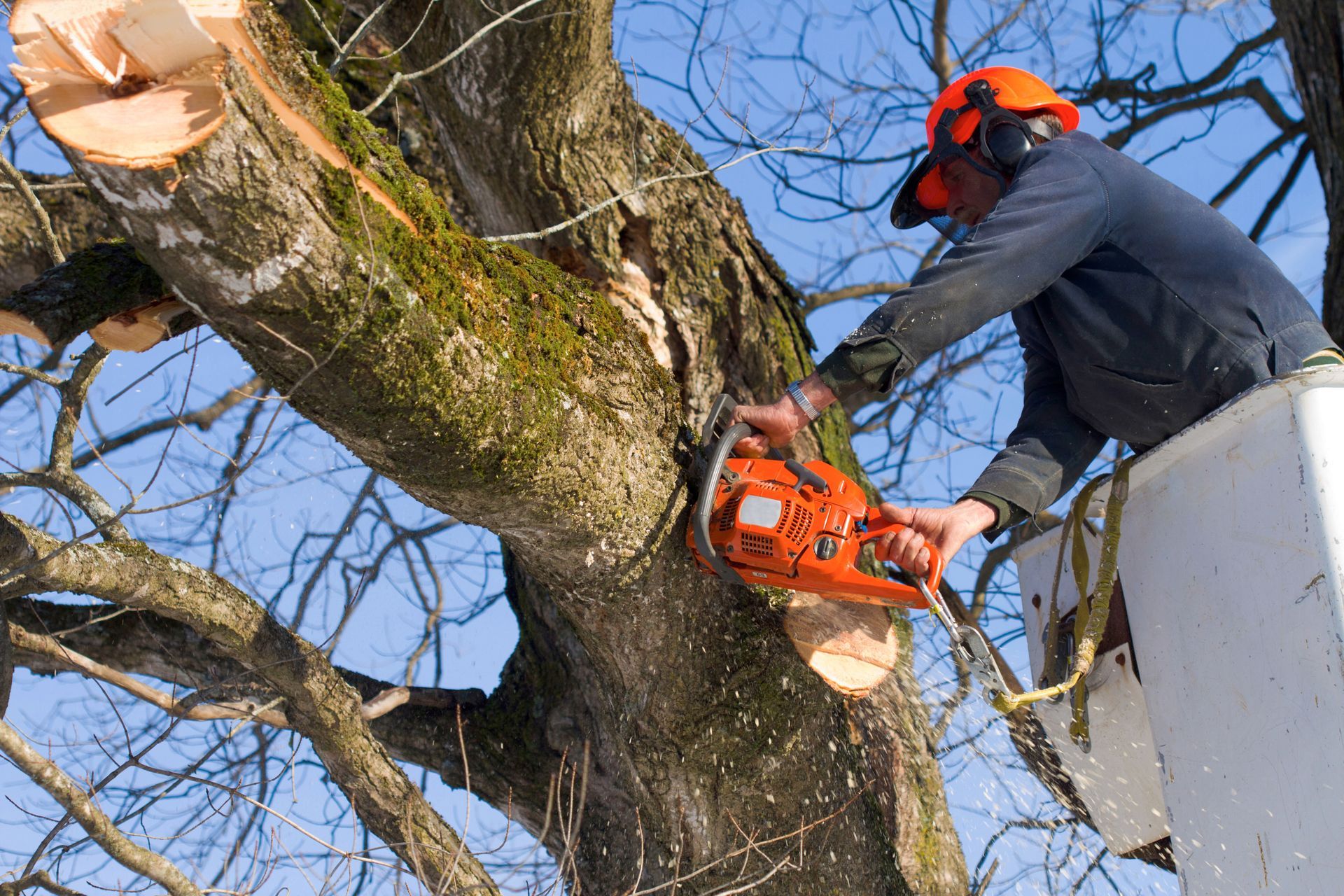
Selecting specialized machinery tailored to specific site challenges allows professional teams to manage complex removals efficiently. Large, hazardous oak or pine trees located in tight suburban backyards frequently require commercial cranes, bucket trucks, or spider lifts to access the upper canopy safely. Conversely, open acreage projects might utilize traditional climbing techniques, heavy-duty chainsaws, and high-capacity wood chippers. Matching heavy equipment to specific property layouts minimizes turf damage, reduces operational hazards, and ensures efficient timber processing.
Maintaining commercial equipment in peak mechanical condition is vital for preventing catastrophic equipment failure during heavy lifting operations. Professional companies perform daily pre-operation inspections, sharpening chainsaw chains, checking hydraulic line pressures, and inspecting synthetic rigging ropes for micro-abrasions. Rigging blocks, friction brakes, and lowering winches undergo strict load testing to ensure they perform reliably under heavy forces. Enforcing rigorous preventative maintenance routines minimizes mechanical delays and protects ground crews from equipment-related accidents.
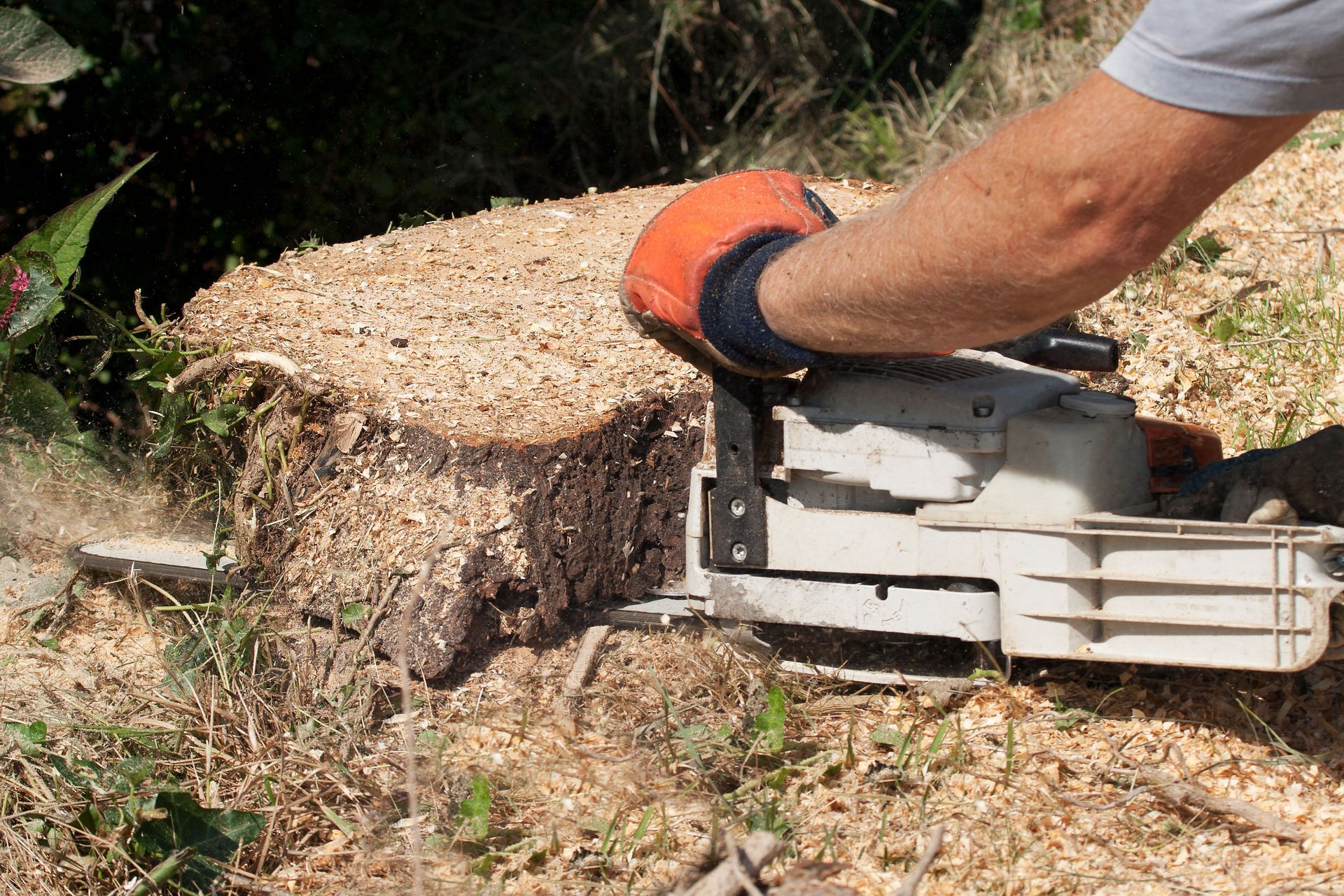
Training field crews on advanced machinery operations and rigging physics ensures maximum job site efficiency and safety. Comprehensive training programs educate staff on load weight calculations, mechanical advantage systems, and emergency shut-off procedures. Outfitting every field technician with personal protective equipment is a mandatory requirement across professional tree services. Heavy-duty helmets, eye protection, ear defenders, steel-toe boots, and cut-resistant Kevlar chaps serve as critical lines of defense against physical hazards during chainsaw operation.
Customizing Tactical Rigging and Cutting Strategies
No two removal scenarios present identical structural or environmental challenges, making customized tactical planning essential for every project. Tree species, wood density, grain flexibility, and canopy weight distribution dictate how timber reacts during cutting. Brittle hardwood species require specialized lowering techniques compared to flexible softwoods, influencing anchor point selections and rigging line setups. Tailoring cutting strategies to specific wood characteristics ensures controlled, predictable limb movement throughout the dismantling process.
Monitoring real-time weather forecasts is critical, as high winds, sudden rainstorms, or freezing ice can make canopy climbing extremely dangerous. Strong wind gusts alter falling trajectories, while wet bark reduces climbing boot traction and increases slipping hazards. Professional dispatchers adjust daily schedules based on localized weather tracking, delaying hazardous climbs until weather conditions stabilize. Establishing safe perimeter work zones around the drop zone ensures that ground operations proceed smoothly regardless of changing ambient weather.
Coordinating team roles through precise communication channels maintains complete operational order on the ground. Assigning clear duties to saw operators, crane operators, lead climbers, and ground riggers prevents confusion during complex lifting maneuvers. Utilizing hands-free radio headsets allows climbers and crane operators to communicate clearly above heavy engine noise. Seamless crew coordination ensures that contingency protocols are executed instantly if a limb shifts unexpectedly mid-cut.
Enforcing Strict Site Protocols and Safety Drills
Enforcing comprehensive safety protocols standardizes job site operations and establishes predictable, safety-focused habits among field technicians. Standard safety guidelines govern every phase of the project, establishing clear rules for chainsaw handling, drop zone clearance, and electrical hazard avoidance. Internalizing safety standards creates an accountable job site culture where crew members actively look out for one another. Adhering strictly to established industry safety guidelines drastically reduces occupational injury risks across hazardous worksites.
Conducting routine emergency response drills prepares field crews to react instantly during unexpected job site crises. Simulated emergency scenarios allow technicians to practice aerial rescue techniques, ground crew first aid, and rapid equipment shutdown procedures. Practicing emergency drills builds muscle memory and reinforces calm, methodical decision-making during high-stress situations. Routine safety drills ensure that every crew member knows their exact role during a medical or structural emergency.
Managing public safety through physical perimeter containment is critical when operating near public streets or sidewalk corridors. Setting up bright warning cones, high-visibility perimeter tape, and clear warning signage alerts pedestrians and drivers to stay clear of the drop zone. When working near active roadways, crews deploy certified flaggers to direct neighborhood traffic safely around staging equipment. Active perimeter management isolates operational hazards, protecting the public while keeping ground crews focused on their work.
Managing Complex Crises and Emergency Response
Anticipating potential emergency scenarios through comprehensive risk modeling allows field managers to react calmly when unpredictable challenges arise. Experienced site supervisors analyze structural weaknesses, rigging line angles, and potential drop zone shifts before making initial cuts. Identifying potential failure points early prevents panic and enables decisive action if a compromised limb behaves unexpectedly. Utilizing rapid decision-making protocols keeps ground operations safe during unexpected structural shifts.
Maintaining active lines of communication with local fire departments, municipal police, and emergency medical services guarantees rapid emergency support when required. Professional companies provide emergency dispatchers with precise site access notes and hazard details when operating near high-voltage utility lines. According to The Roundup, 42 million trees are cut down every day; hence, systematic coordination between private contractors and municipal emergency services is vital for handling unexpected developments safely.
Handling unpredictable site developments requires an adaptable, highly disciplined approach from field technicians. When unexpected internal rot or severe structural cracks are discovered mid-operation, climbers pause work to re-evaluate rigging anchor points and weight calculations. Field crews adjust cutting techniques, deploy secondary lowering lines, or call in heavier crane support to stabilize compromised timber. Adapting quickly to hidden structural defects prevents property damage and ensures operational safety remains uncompromised.
Revising operational protocols based on post-project analysis ensures that safety guidelines evolve alongside new equipment technologies and industry research. Companies update equipment maintenance schedules, climbing techniques, and rigging procedures based on practical field data. Following up with property owners after site cleanup guarantees that client expectations were fully met and all property features remain undamaged. Delivering exceptional technical care and responsive customer support defines top-tier tree services, establishing lasting commercial reputations. Partnering with verified removal specialists like Hudson Tree Service guarantees meticulous site care, advanced rigging safety, and total property protection on every project.