January 19, 2026
Trees add beauty, shade, and long-term value to residential and commercial properties, but they are living organisms that face constant threats from disease, decay, pests, and environmental stressors. Left unmanaged, these issues can weaken structural integrity, create safety hazards, and lead to costly removals. Professional tree services play a critical role in identifying problems early, applying effective treatments, and protecting surrounding landscapes. As awareness of proper tree care grows, so does the industry itself. According to Business Research Insights, the global tree care services market size was reported at $80 billion in 2024, reflecting the increasing importance property owners place on proactive tree health management.
In the Metro East Illinois area, changing seasons, varying soil conditions, and urban development all influence how diseases and decay spread. Understanding how professionals approach diagnosis, treatment, prevention, and long-term monitoring helps property owners appreciate the value of expert intervention and informed care strategies.
Identifying Tree Diseases Accurately
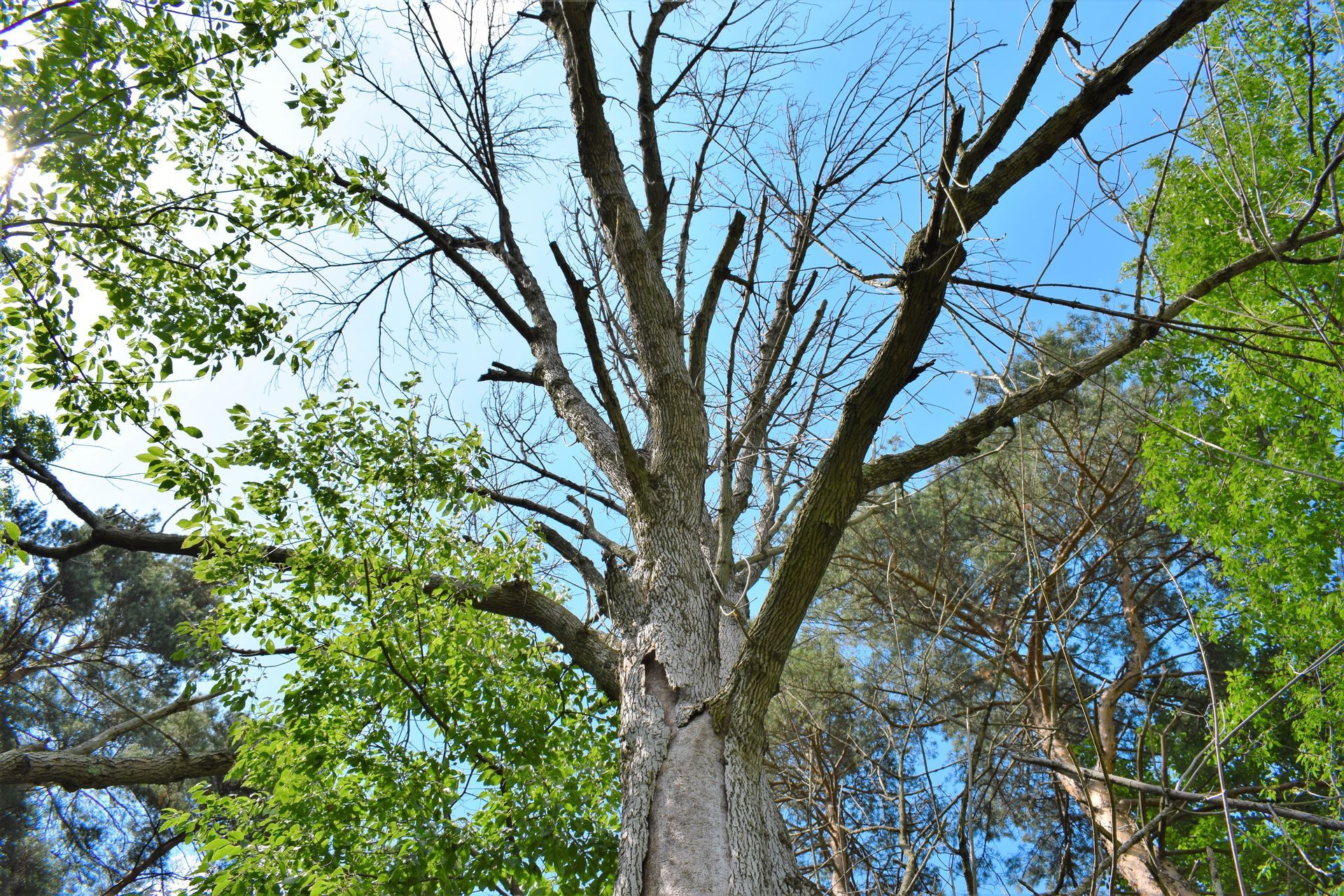
Recognizing disease early is one of the most important steps in preserving tree health. Professional tree services are trained to identify subtle warning signs that many property owners may overlook. Changes in leaf color, premature leaf drop, thinning canopies, bark cracking, fungal growth, or reduced fruit production can all indicate underlying problems. These visual cues help narrow down whether the issue stems from fungal infections, bacterial pathogens, pest infestations, or environmental stress. Early identification allows for targeted action before damage becomes irreversible.
Beyond surface observations, arborists rely on professional diagnostic tools to confirm what is affecting a tree internally. Increment borers, hand lenses, and moisture meters help assess structural integrity, while advanced tools like Resistograph drills measure internal decay without causing major harm. Soil and tissue samples are often sent to laboratories for pathogen analysis, ensuring accurate diagnoses. This combination of field expertise and scientific testing allows tree services to design treatment plans based on evidence rather than guesswork.
Seasonal patterns also influence how diseases appear and spread. Fungal infections often thrive during wet, humid periods, while insect-borne diseases become more active in warmer months. Arborists factor in these seasonal trends when scheduling inspections and preventive treatments. Environmental elements such as soil drainage, local climate, and invasive species further shape disease behavior, requiring region-specific knowledge to manage risks effectively.
Applying Targeted Treatment And Management Methods
Once a disease or decay issue is identified, treatment must be carefully selected to match the tree's condition and surroundings. Chemical treatments are often used to control fungal pathogens or insect infestations, but they must be applied precisely to avoid environmental harm. Licensed professionals understand proper dosages, timing, and application techniques, ensuring treatments support recovery without damaging nearby plants, wildlife, or soil quality.
Biological control strategies offer environmentally responsible alternatives when appropriate. These methods introduce beneficial organisms that naturally suppress harmful pathogens or pests. For example, certain fungi can outcompete disease-causing organisms in the soil, reducing infection rates over time. When integrated with other approaches, biological controls provide sustainable, long-term solutions that align with modern ecological standards.
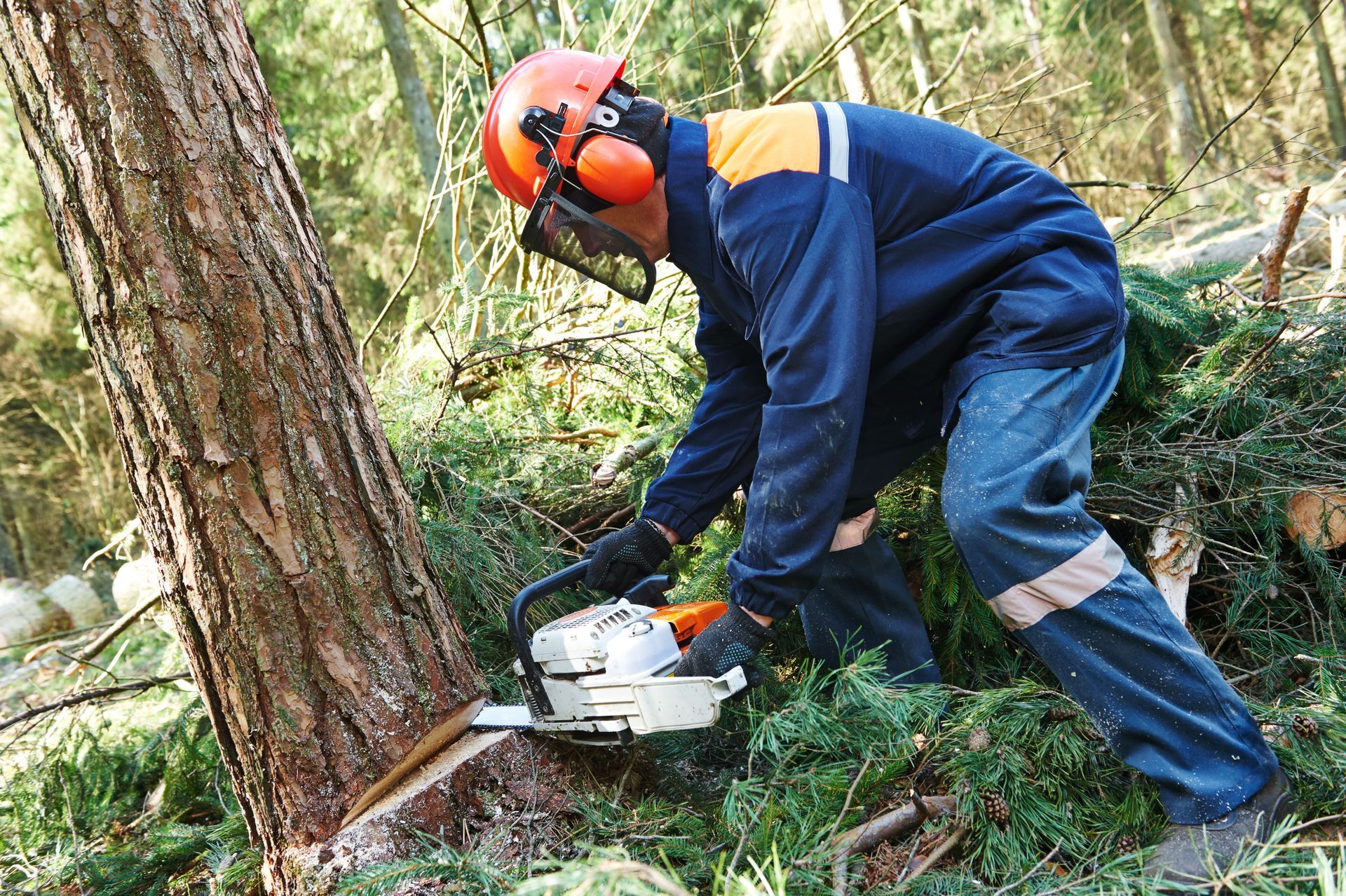
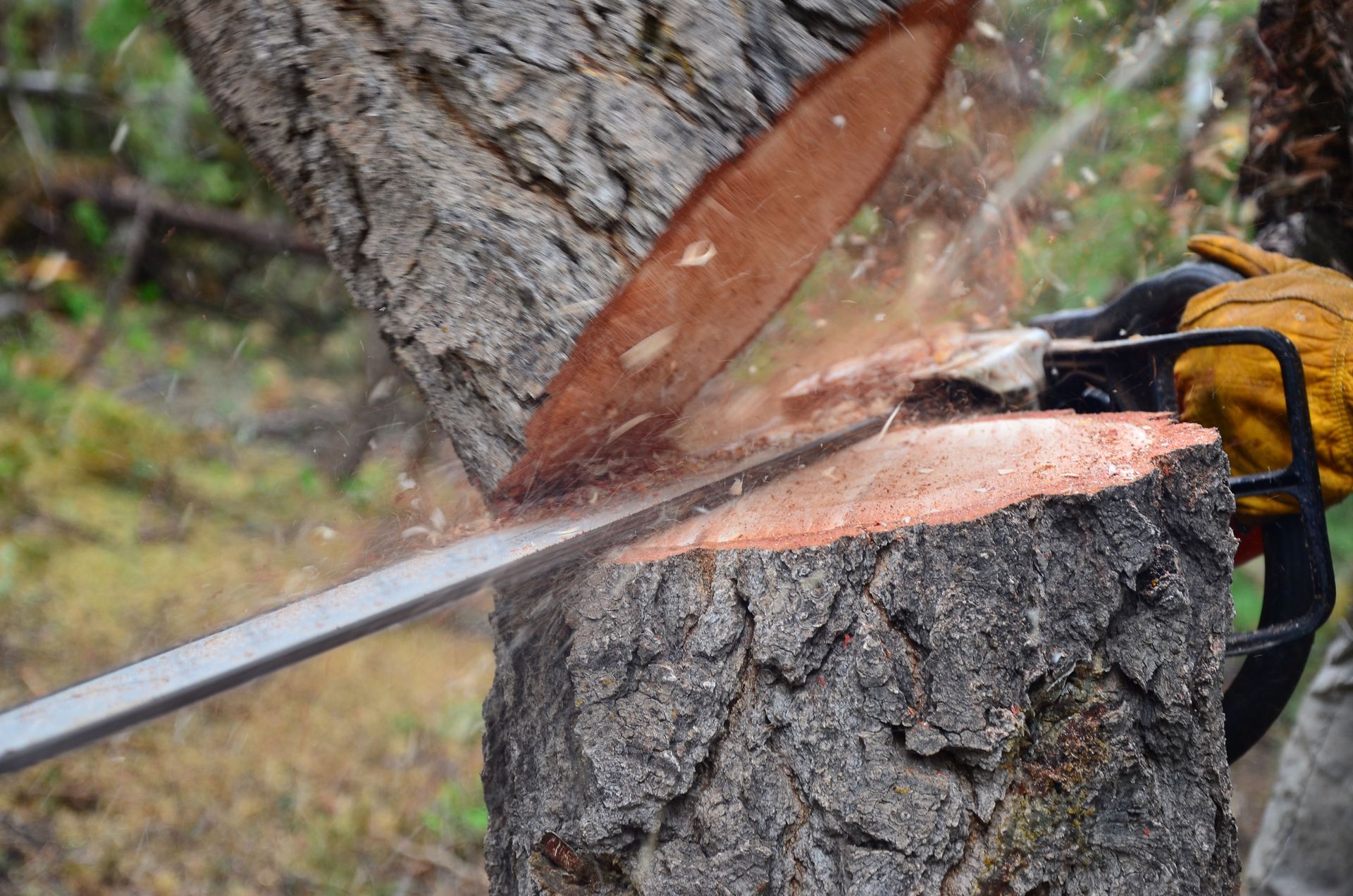
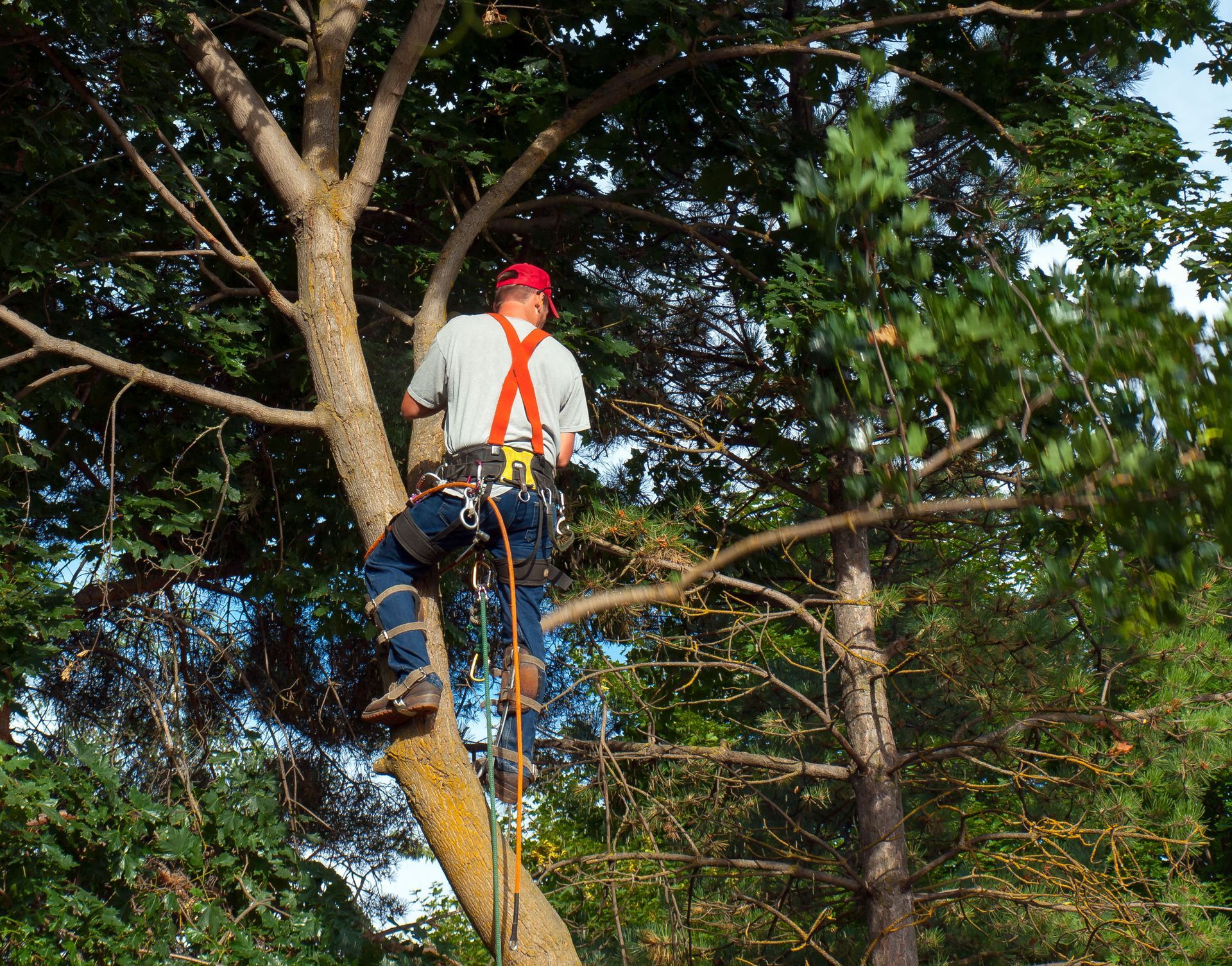
Physical intervention is sometimes unavoidable, especially when decay has compromised structural stability. Pruning infected limbs prevents disease spread and encourages healthy growth, while complete removal may be necessary if a tree poses safety risks. Skilled arborists assess whether selective pruning or full removal is the best course of action, always considering the impact on surrounding trees and property. Professional tree services ensure these decisions are made responsibly and executed safely.
Developing Case-Specific Care Plans
No two trees face identical challenges, which is why customized treatment plans are essential. Arborists evaluate species type, age, location, soil conditions, and exposure to stressors before recommending solutions. A mature oak suffering from root rot requires a very different approach than a young maple experiencing canopy disease. Tailored care plans ensure resources are used efficiently while addressing the exact needs of each tree.
Ongoing monitoring is a critical part of these customized strategies. Follow-up inspections allow professionals to evaluate whether treatments are effective and adjust plans as needed. Regular check-ins also help detect new issues early, reducing the risk of recurring infections. This long-term approach reinforces the proactive mindset that defines high-quality tree services, focusing on prevention rather than reactive damage control.
Preventing Disease Through Proactive Maintenance
Prevention is always more cost-effective than repair, and regular maintenance is the cornerstone of healthy trees. Routine inspections allow arborists to identify vulnerabilities before they escalate into serious problems. Proper watering, mulching, and nutrient management strengthen trees against environmental stress and disease pressure. Consistent care improves resilience, especially in urban and suburban environments where trees face compacted soil and pollution.
Soil health plays a major role in disease resistance. Well-aerated soil with adequate organic matter supports strong root systems, which in turn improve nutrient uptake and immune response. Arborists often recommend soil testing and amendments to correct deficiencies. These preventive measures, supported by professional tree services, help sustain long-term tree vitality.
Selecting disease-resistant species is another powerful prevention strategy. Certain tree varieties are naturally more resilient to local pathogens and pests. Arborists guide property owners toward species that thrive in regional conditions, reducing the likelihood of future outbreaks. When combined with quarantine measures during severe disease events, these choices protect entire landscapes from widespread damage.
Leveraging Technology For Disease Detection
Modern technology has transformed how arborists monitor and manage tree health. Drones provide aerial views of canopies, revealing stress patterns and disease hotspots that are difficult to see from the ground. High-resolution imagery allows for faster, safer assessments, especially in hard-to-reach areas. This technology empowers tree services to act quickly and decisively.
Navigating Challenges In Tree Health Management
Despite advancements, managing tree disease and decay presents ongoing challenges. Budget constraints can limit access to advanced technology and reduce inspection frequency. Invasive species introduce new pathogens that lack natural controls, requiring constant adaptation. Regulatory compliance adds complexity, as professionals must adhere to environmental and safety standards while applying treatments responsibly.
Public perception can also influence outcomes. Property owners may resist necessary removals or misunderstand treatment methods. Clear communication and education are essential for building trust and cooperation. Professional tree services play a key role in balancing community concerns with responsible tree management practices, ensuring both safety and environmental health.
Learning From Real-World Success Stories
Case studies highlight the impact of informed tree care strategies. Urban forest restoration projects demonstrate how disease-resistant species, community involvement, and long-term planning can revitalize green spaces. Disaster recovery programs show how targeted interventions restore balance after fires or storms. Across different climates, adaptable management techniques prove that tailored solutions yield the best results.
International collaborations further advance the field by sharing research and resources across borders. Innovative practices such as precision arboriculture and integrated pest management continue to improve outcomes while minimizing environmental impact. These successes underscore the evolving role of technology, education, and collaboration in modern tree care.
Trees are long-term investments that require knowledgeable care to thrive amid environmental challenges. Proactive management, informed treatment, and ongoing monitoring are essential for preventing disease and decay while preserving safety and beauty. For property owners in the Metro East Illinois area, partnering with experienced professionals ensures trees receive the attention they need to remain healthy for years to come. If you are looking for reliable, expert care, contact Hudson Tree Service today to learn how our team can help protect and maintain your trees with confidence.