August 19, 2026
Tree removal can seem like a straightforward task for a determined homeowner. However, the complexities and potential hazards involved suggest it's best left to the professionals. By understanding the risks, homeowners can make informed decisions regarding their properties and ensure they are protecting their investments and themselves in the most effective manner. Let's explore the various reasons why you should reconsider DIY tree removal, delving into safety, legal, and technical considerations that must be considered.
1. Safety Concerns
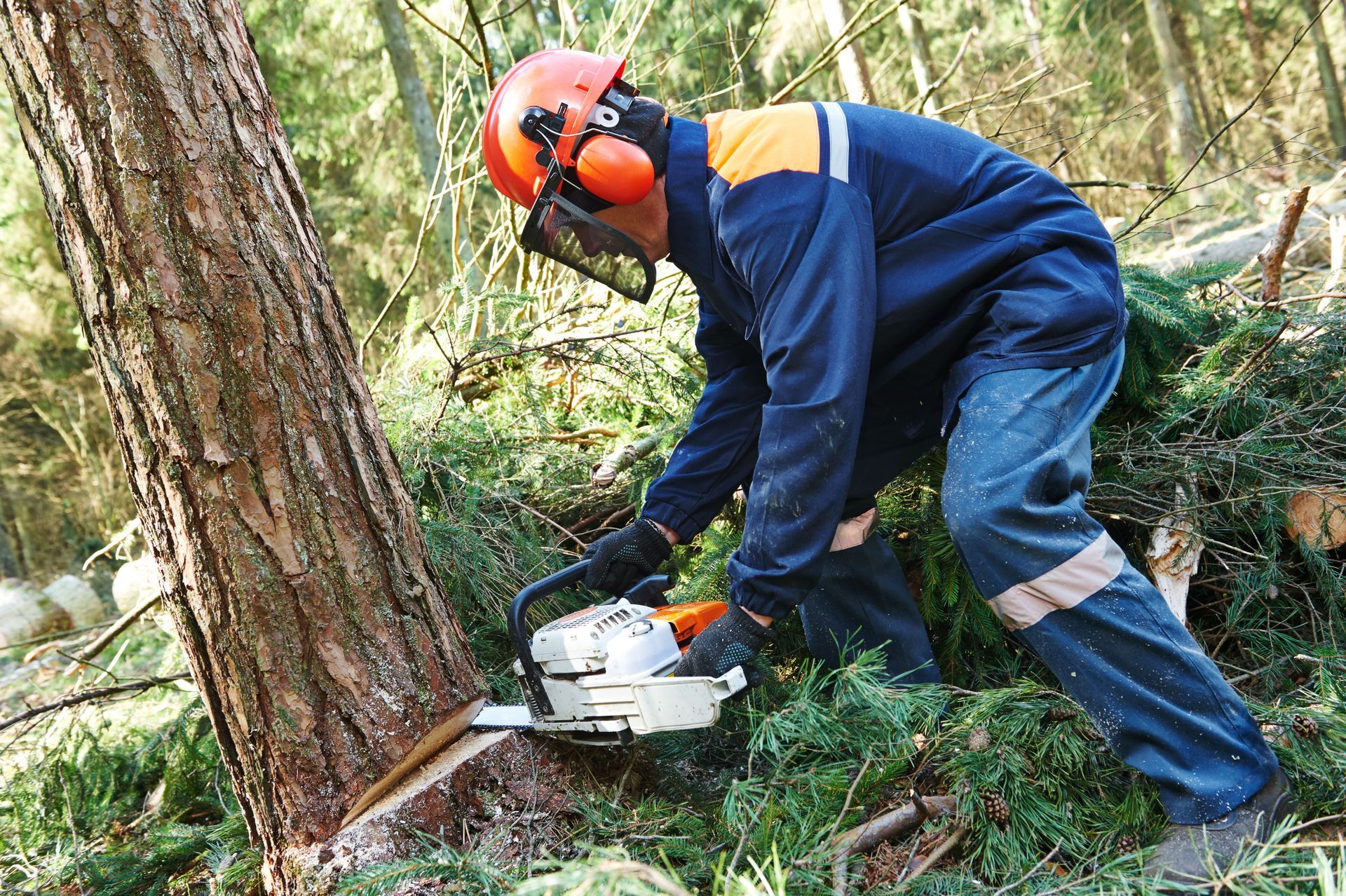
Tree removal involves significant safety risks that are often underestimated by untrained individuals. Physical injuries resulting from mishandling tools or falling from heights are common among those attempting DIY tree removal. Without proper safety equipment and training, the risk of serious injuries increases considerably. Professional arborists are trained to handle these hazards and use safety gear to mitigate risks. They also understand the need for a safe perimeter around the work area to prevent accidents.
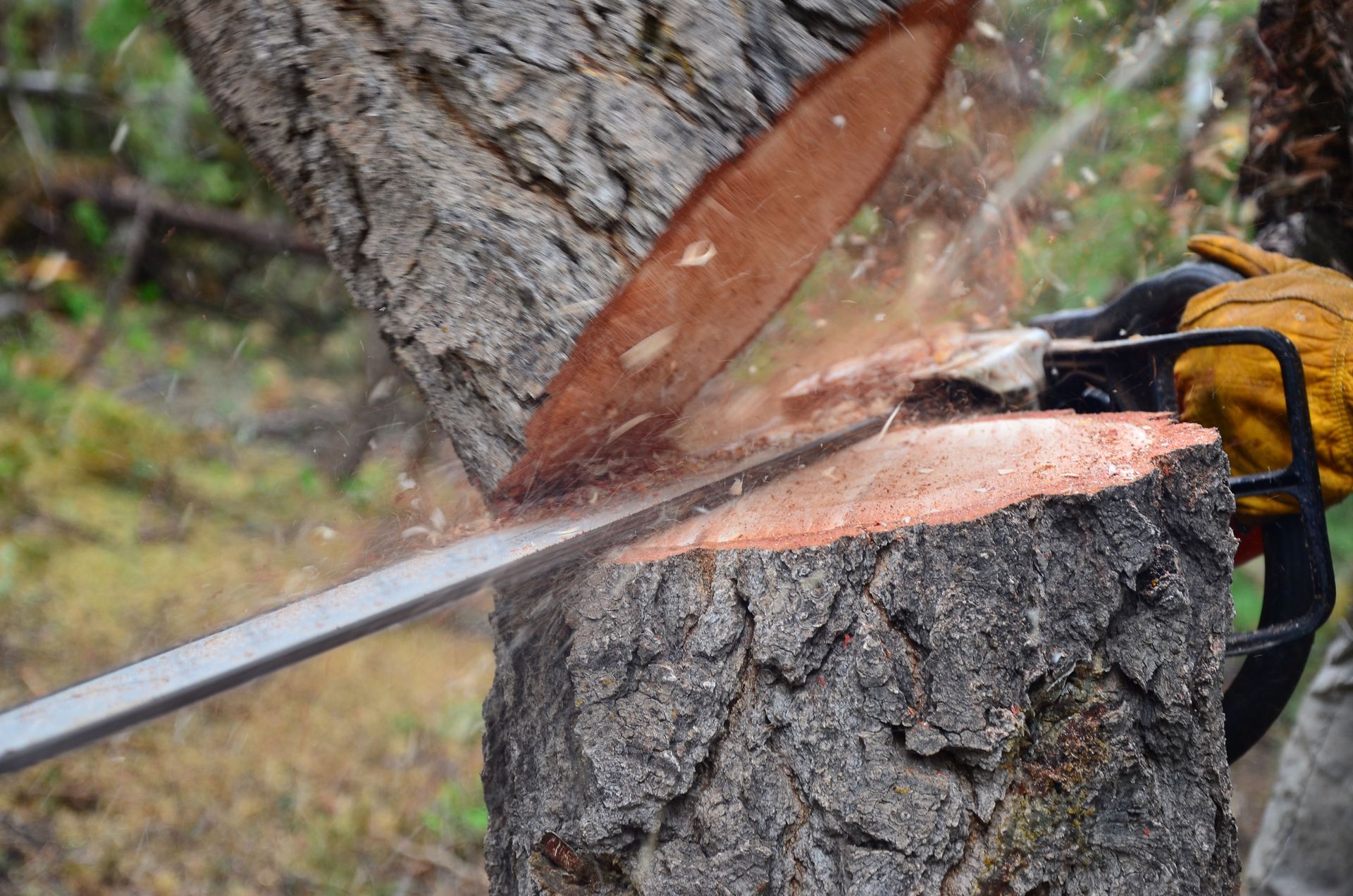
Additionally, the equipment used for tree removal can pose substantial hazards if not handled correctly. Chainsaws, wood chippers, and other heavy machinery require skill and precision to operate safely. Misuse of such equipment can lead to severe accidents, including lacerations or even fatalities. Professionals are familiar with machine operations and safety protocols, ensuring a safer process. This expertise makes professional services a wise choice for your safety and the safety of those around you.
Another significant safety issue is the potential for falling debris, which can harm individuals or damage property. During the tree removal process, large branches and trunks may fall unpredictably, especially without proper rigging techniques. Professionals are skilled in controlling and minimizing such risks, employing strategic cuts and cabling when necessary. They ensure that the right fall path is anticipated and cleared, preventing incidents. Safety training also prepares them to assess ground conditions and the stability of trees, which might otherwise be overlooked by amateurs.
2. Lack of Expertise
Tree removal requires more than just brute strength; it demands a deep understanding of tree biology. Each tree species has unique characteristics that influence removal techniques. For instance, root structure, wood density, and growth patterns vary significantly among trees. Without knowledge of these factors, homeowners may approach projects incorrectly, leading to undue difficulties or damage. Professional arborists are trained to recognize these biological aspects and adjust their approach accordingly.
Proper techniques are crucial for efficient and safe tree removal. Without experience, a person might not know how to make strategic cuts to avoid the tree falling in an unintended direction. Incorrect techniques can also lead to the unnecessary removal of parts, making the task more complex. Professionals possess the skills needed to execute these techniques with precision and care. Their expertise ensures that the job is completed efficiently, reducing both time and risk.
3. Risk to Property
DIY tree removal can result in significant damage to property, particularly structures close to the tree. Miscalculations during the removal process might lead to a tree or large branches falling onto houses, garages, fences, or other important structures. This damage can incur high repair costs, negating any financial savings initially perceived with DIY removal efforts. Professional tree removal services plan meticulously to avoid such situations. Their detailed assessment and strategic removal approaches minimize property risks.
Additionally, proximity to power lines and other utility lines poses extraordinary challenges. Accidental contact with these lines can result in power outages or even electrocution, posing dangers not only to the homeowner undertaking the project but also to the broader community. Utility companies often impose fines and repair costs when such incidents occur. Professional services maintain training and equipment needed to handle such precarious scenarios safely. Their involvement ensures high-risk situations are managed with care and expertise.
4. Legal and Regulatory Issues
Tree removal is not merely a technical challenge; it also comes with legal implications. Many regions require permits for tree removal, especially for large trees or those in protected zones. Failure to comply with these regulations can result in substantial fines and fees. Professionals are well-versed in these legal requirements and can secure necessary permits swiftly. Their insight ensures that all activities align with local laws and guidelines, avoiding avoidable legal complications.
Protected tree species present another possible legal concern. Certain trees are protected by environmental regulations, and removing them without proper authorization can lead to serious repercussions. These laws exist to preserve biodiversity and maintain ecological balance. It's worth noting that, according to the USDA, 100 trees remove 53 tons of carbon dioxide and 430 pounds of other air pollutants per year, which emphasizes the ecological importance of trees and the need for informed removal practices. Homeowners might not be aware of all the trees that fall under protection covers, thereby accidentally infringing the regulations. Professionals can identify such species and advise on the appropriate courses of action.
Lastly, legal liabilities can surface if neighboring properties or community spaces are affected by an improperly conducted tree removal. Falling trees or shifting roots can impact the landscaping or structures on adjoining properties, leading to disputes or insurance claims. Professional tree removal companies carry liability insurance, protecting homeowners from potential legal actions. They also approach the task with consideration for community ordinances, cooperating with neighbors to address concerns and manage expectations effectively.
5. Cost Inefficiency
The costs associated with DIY tree removal often go underestimated. Equipment rental, such as chainsaws, safety gear, cranes, or stump grinders, can add up quickly. In many cases, these costs approach or exceed the price of hiring professional services, without guaranteeing safe or efficient outcomes. Professionals come equipped with their own tools, providing expertise alongside their equipment. This approach presents a cost-effective solution when compared to the piecemeal expenses of a DIY attempt.
Further costs may arise from unexpected damage requiring repair. Lacking the necessary experience, homeowners are more likely to make mistakes that might lead to broken fences, damaged patios, or structural harm to their homes. These unplanned expenses can quickly surpass the investment in professional services. With a professional's eye for detail and careful methodology, these risks are substantially mitigated, preserving both immediate funds and long-term property integrity.
6. Insurance Complications
Insurance plays a critical role in protecting against the various risks associated with tree removal. Standard homeowners insurance policies may not cover damages incurred during DIY tree removal attempts. Issues that arise could be deemed a result of negligence, leaving homeowners to face steep expenses alone. Conversely, professional services often carry their own insurance, covering damages that may occur during the tree removal process. This insurance protection ensures that homeowners are not exposed to significant financial risk.
Professional liability coverage offers an added layer of protection. Accidents are more likely to be properly claimed and compensated if performed by insured professionals. In contrast, mistakes made during a DIY attempt may not meet the strict requirements for insurance coverage, leading to denial of claims. Knowing that professionals can provide assurance in the form of reputable liability plans helps ease the minds of property owners. This reliability underscores the advantage of capable experts handling complex tasks.
Uninsured risks and their implications underscore a significant deterrent to DIY tree removal. Without the safety net of comprehensive insurance, unforeseen challenges can drastically impact one's financial standing. Worse yet, such situations can affect future premiums and lead to increased costs, even without an immediate claim. Engaging professionals safeguards against future premiums being adjusted unfavorably due to accidents or incidents during a removal task.
While tackling tree removal on your own might appear cost-effective and convenient, the associated risks and challenges are substantial. From safety hazards and legal issues to potential property damage and insurance problems, the drawbacks far outweigh the perceived benefits. Entrusting these tasks to the experienced professionals at Hudson Tree Service enables you to enjoy a well-managed landscape without compromising safety, legal compliance, or ecological importance. Reach out to us today to get started.