November 24, 2026
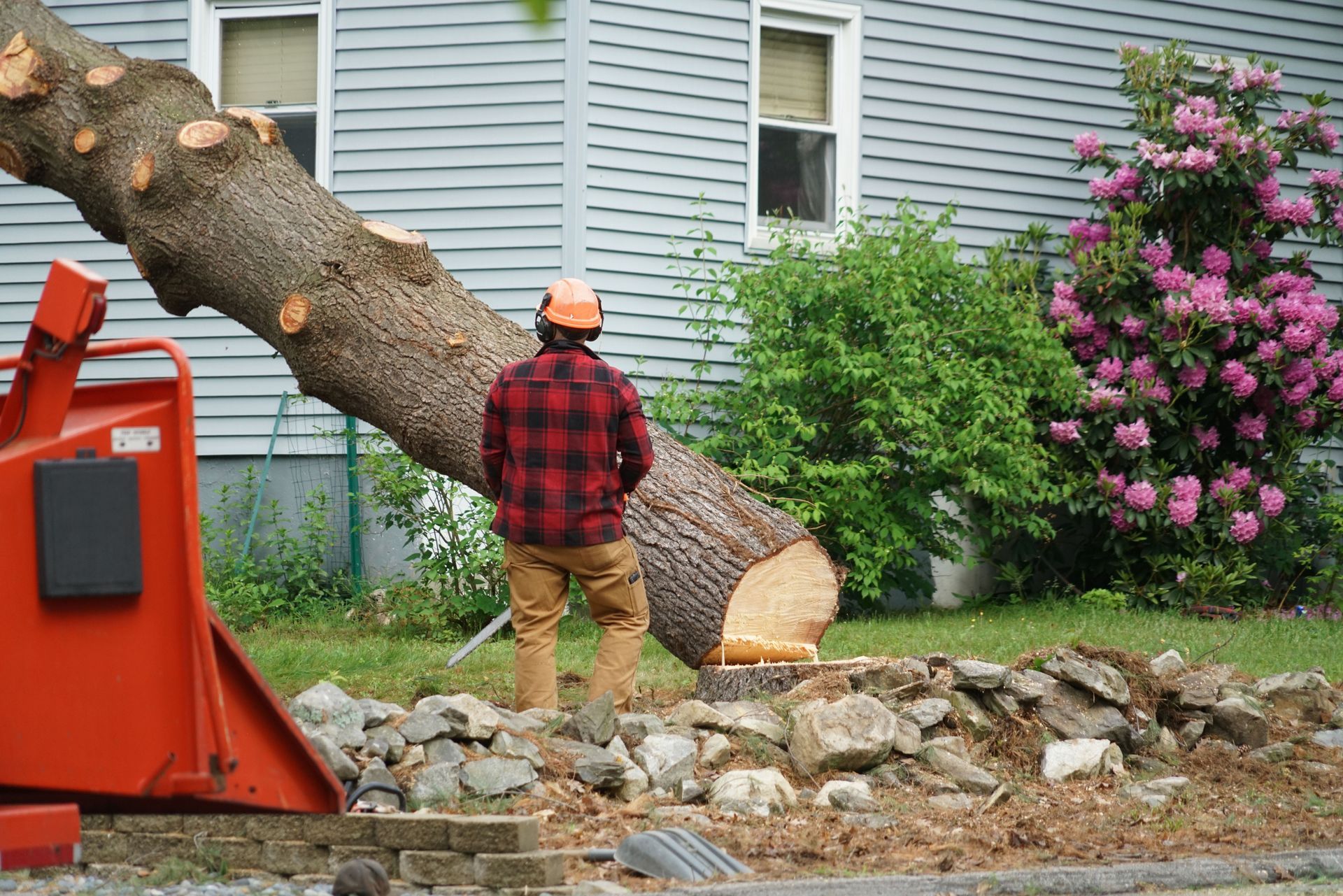
Safe and efficient tree removal relies heavily on specialized tools and heavy-duty machinery designed for demanding outdoor environments. Understanding how this equipment functions is vital for certified arborists, municipal planners, and property owners who want to maintain healthy, hazard-free landscapes. According to the U.S. Department of Agriculture, in U.S. cities, an estimated 36 million urban trees are removed each year. Meeting that annual demand without damaging surrounding structures or endangering workers requires careful equipment selection, routine maintenance, and strict adherence to safety standards across every phase of a project.
Cutting Timber With Chainsaws
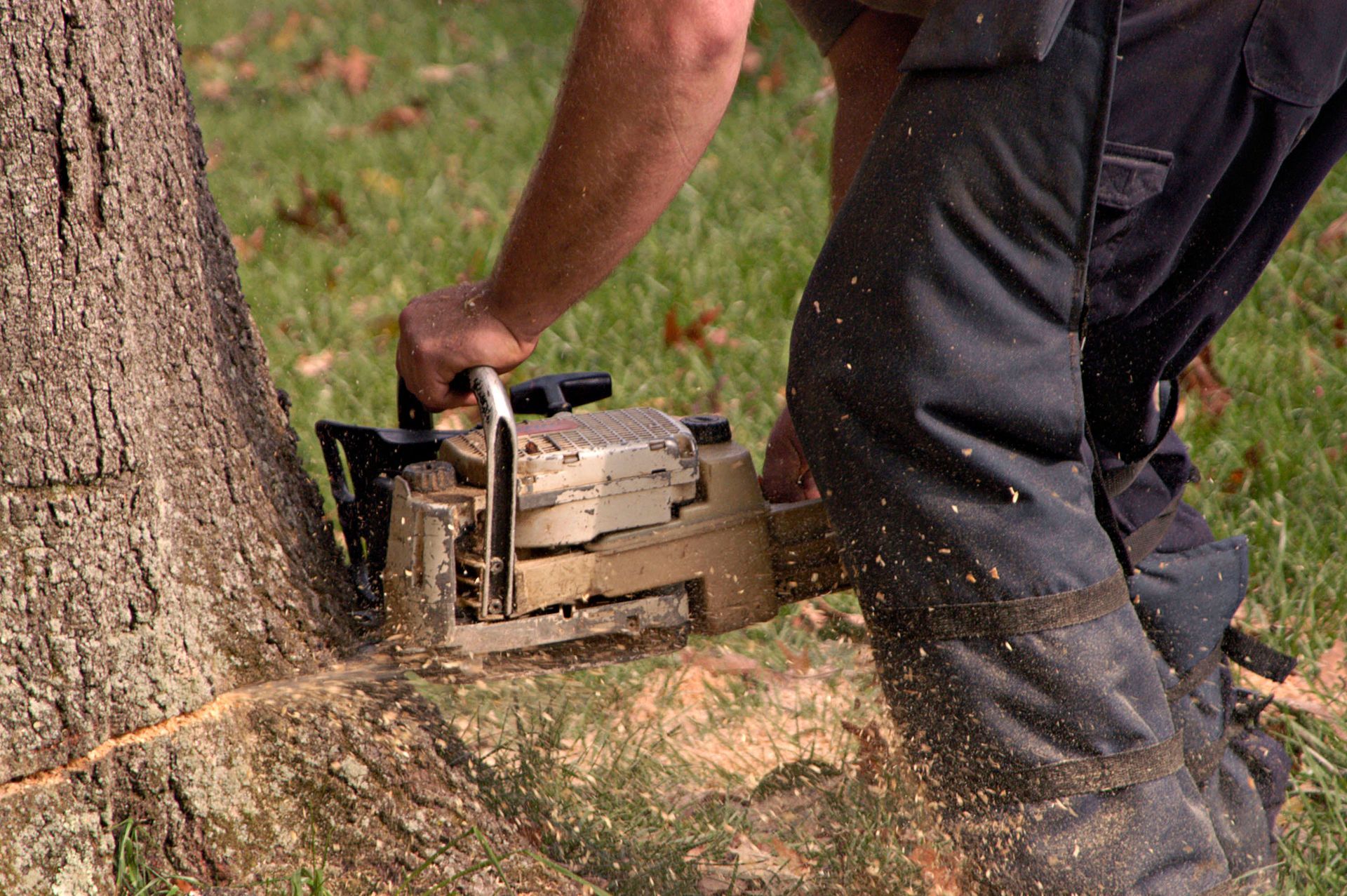
Chainsaws serve as the primary cutting tools on nearly every job site, and manufacturers build several distinct models to match varying project demands. Gas-powered chainsaws deliver unmatched torque and freedom of movement, making them the standard choice for felling thick trunks and sectioning dense hardwood. Corded electric models offer continuous power for lighter residential trimming near outlets, while modern battery-operated saws bridge the gap by pairing low noise and zero exhaust with impressive portability. Selecting the proper saw requires balancing engine output, bar length, and operator experience against the size of the timber.
Because chainsaws pose significant physical hazards, modern designs integrate critical safety mechanisms alongside strict operating techniques. Inertia-activated chain brakes halt chain rotation within milliseconds if the guide bar tip strikes an object and triggers kickback, while hand guards and anti-vibration mounts shield the operator and reduce fatigue during long shifts. Crews must inspect the saw before starting, maintain a balanced stance with a firm two-handed grip, avoid cutting with the upper tip of the bar, and rely on controlled cross-cutting techniques to manage wood tension safely.
Consistent maintenance keeps a chainsaw dependable and extends its service life under harsh working conditions. Operators should routinely check chain tension, sharpen dull cutters, clean clogged air filters, verify bar oil flow, and inspect fuel lines for leaks before heading into the field. Meanwhile, recent engineering advances have produced quieter motors, cleaner-burning engines, and high-capacity lithium batteries that reduce emissions and noise pollution in densely populated neighborhoods.
Accessing Canopies Using Climbing and Rigging Gear
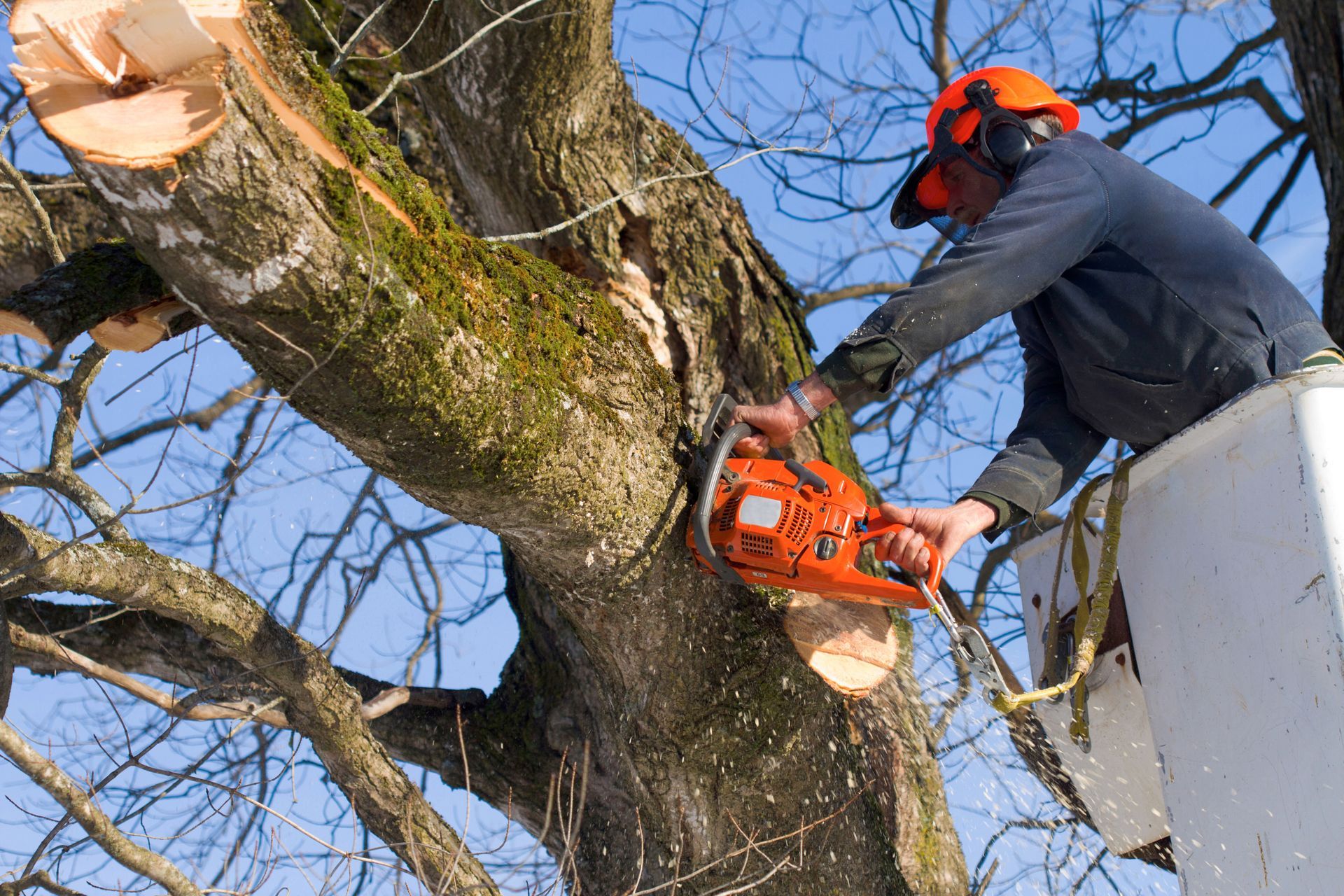
When bucket trucks cannot reach tight backyards or dense groves, arborists rely on specialized climbing and rigging gear to navigate canopies safely. Climbing systems combine ergonomic saddles, high-strength braided ropes, locking carabiners, and mechanical ascenders that support workers high above the ground. Alongside these anchors, personal protective equipment, including impact-rated helmets, cut-resistant gloves, steel-toed boots, and shatterproof eyewear, protects climbers from falling branches and flying sawdust. Safe ascent depends on maintaining three points of contact, rehearsing aerial rescue procedures, and keeping constant radio or hand-signal communication with ground personnel.
Once a climber reaches the upper canopy, rigging gear enables the controlled dismantling of heavy limbs during complex tree removal projects. Arborists attach heavy-duty slings, low-friction blocks, and pulleys to sturdy upper branches to redirect ropes and manage the downward momentum of cut wood. Ground crews pair these rigging points with friction devices and mechanical winches to lower massive trunk sections gently, preventing sudden shock loads and protecting roofs, fences, and underground utilities below.
Both climbing and rigging setups demand disciplined inspection and storage habits to prevent catastrophic hardware failure. Crews must examine ropes and webbing for glazing, fraying, or chemical exposure before every climb, lubricate moving pulley sheaves, and store synthetic fibers away from direct sunlight and moisture. Recent innovations, such as ultra-lightweight composite pulleys, shock-absorbing lanyards, and integrated digital load cells that display real-time tension, give modern crews greater precision and comfort aloft.
Processing Debris With Wood Chippers
After limbs reach the ground, wood chippers rapidly convert bulky brush and branches into compact, reusable mulch. Drum chippers use a heavy rotating cylinder fitted with hardened blades to pull in and shred large-diameter logs quickly, whereas disc chippers slice wood at a precise angle to produce uniform chips ideal for landscaping beds. Towable units allow crews to hitch the machine directly behind a service truck, streamlining transport and cleanup across multiple residential or commercial sites in a single day.
Operating a high-powered chipper safely requires strict perimeter discipline and protective gear. Ground workers must keep the feed table clear of loose debris, never wear baggy clothing or gauntlet cuffs that could snag on branches, and always feed brush butt-end first from the side of the chute. Mandatory protective gear includes heavy work gloves, wrap-around eye protection, and high-decibel hearing defenders, paired with pre-shift checks of emergency stop bars and feed control mechanisms.
Routine upkeep prevents costly downtime and keeps chippers running smoothly throughout busy seasons. Technicians regularly clear clogged discharge chutes, sharpen or replace chipped blades, grease bearings, and check hydraulic fluid levels and engine belts. Manufacturers have also introduced quieter acoustic enclosures, fuel-efficient engines, and automated feed-rate sensors that slow the intake rollers automatically when engine RPM drops under heavy loads.
Eliminating Roots With Stump Grinders
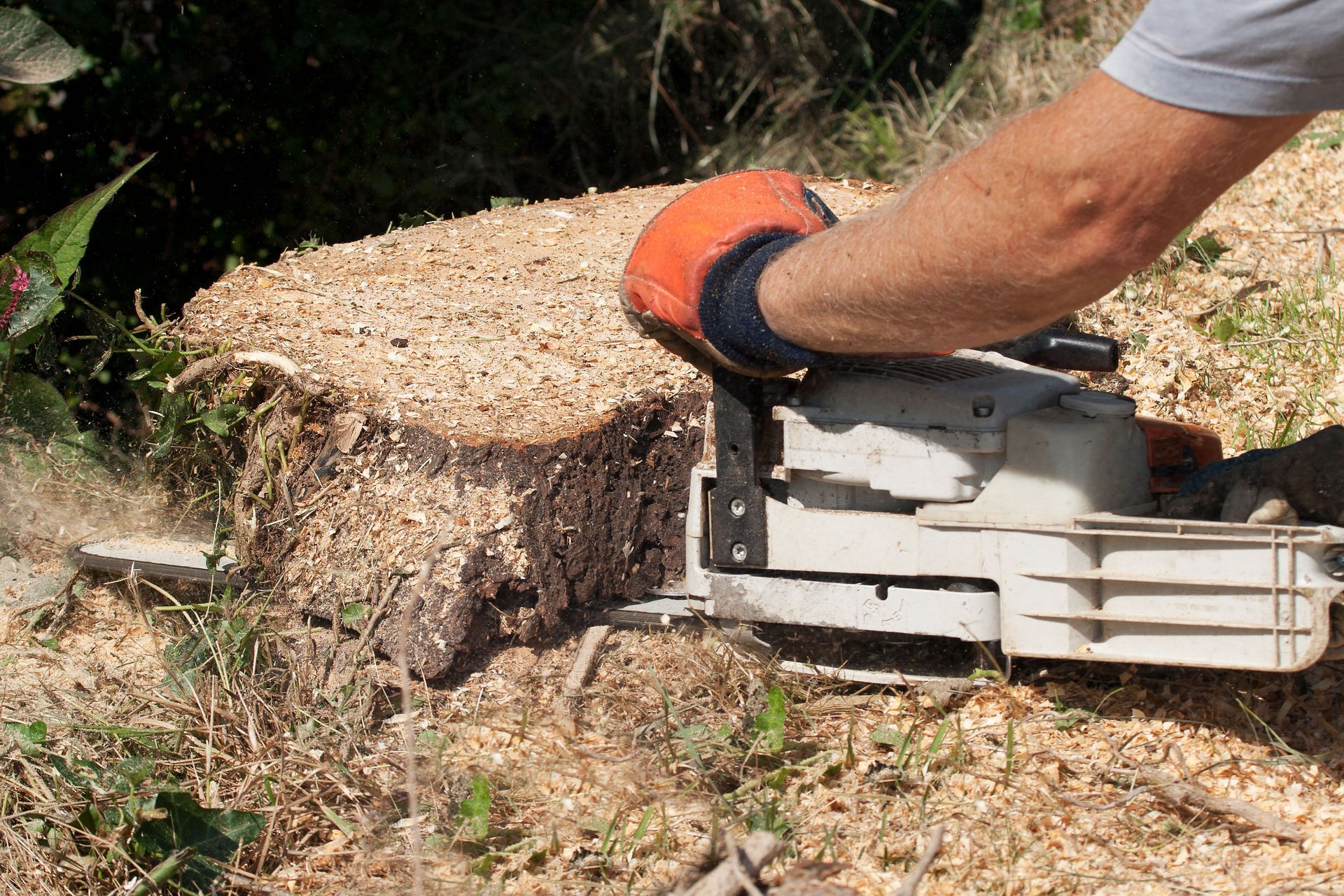
Once a trunk is felled, stump grinders eliminate the remaining wood below grade so property owners can replant grass, install hardscaping, or prevent pest infestations. Manual handlebar grinders provide an economical option for small, shallow stumps, while self-propelled wheeled units maneuver easily across standard residential lawns. For steep slopes, wet soil, or massive root flares, tracked stump grinders distribute weight evenly to minimize turf damage while delivering high hydraulic horsepower to the cutting wheel.
Safe stump grinding starts with thorough site preparation before the cutting wheel ever touches wood. Operators must clear surrounding soil of rocks, bricks, wire, and hidden metal debris that could become high-velocity projectiles or shatter carbide teeth. During operation, workers wear face shields, hearing protection, and sturdy boots, position safety barriers to shield nearby windows or vehicles, and sweep the cutting head smoothly across the stump in controlled passes.
Consistent maintenance and smart engineering have made modern stump grinders faster and safer than ever. Regular tasks include inspecting and rotating carbide-tipped teeth, greasing pivot joints, and checking hydraulic hoses for abrasion or leaks. Many newer models feature wireless remote controls that let operators stand well away from dust and flying wood chips while maintaining an unobstructed view of the trench, alongside high-efficiency cutter designs that reduce fuel burn during demanding tree removal jobs.
Reaching High Branches Using Cranes and Aerial Lifts
For towering, storm-damaged, or structurally compromised specimens, cranes and aerial lifts provide unmatched reach and stability during high-risk tree removal operations. Truck-mounted cranes hoist entire upper sections cleanly over houses and power lines, while articulating boom lifts navigate around obstacles with multi-jointed arms. On flat, paved surfaces, scissor lifts offer a wide, steady platform for pruning or dismantling lower limbs without requiring a climber to tie directly into weak or decaying wood.
Using heavy lifting machinery reduces physical strain and fall risks, provided crews follow rigorous safety protocols. Operators must hold specialized certifications, verify ground stability before deploying outriggers, and establish clear exclusion zones so ground staff never walk beneath suspended loads. Daily pre-operation inspections of hydraulic cylinders, wire ropes, boom structural welds, and emergency lowering controls ensure every lift performs reliably under heavy stress.
Successful tree removal depends on pairing the right machinery, from chainsaws and climbing harnesses to chippers, stump grinders, and cranes, with disciplined maintenance and strict safety habits. As arborists adopt quieter, cleaner, and more precise technologies, crews can protect surrounding properties and urban ecosystems while working more efficiently than ever before. For more information about the services that we offer, reach out to our incredible team at Hudson Tree Service today!