February 19, 2026
Maintaining a safe and functional yard requires careful planning, regular upkeep, and informed decision-making. From assessing potential hazards to understanding legal responsibilities, homeowners must take a proactive approach to outdoor safety. Practices such as routine inspections, proper maintenance, and timely tree removal play a crucial role in protecting people, property, and the surrounding community.
Emphasizing the Importance of Yard Safety
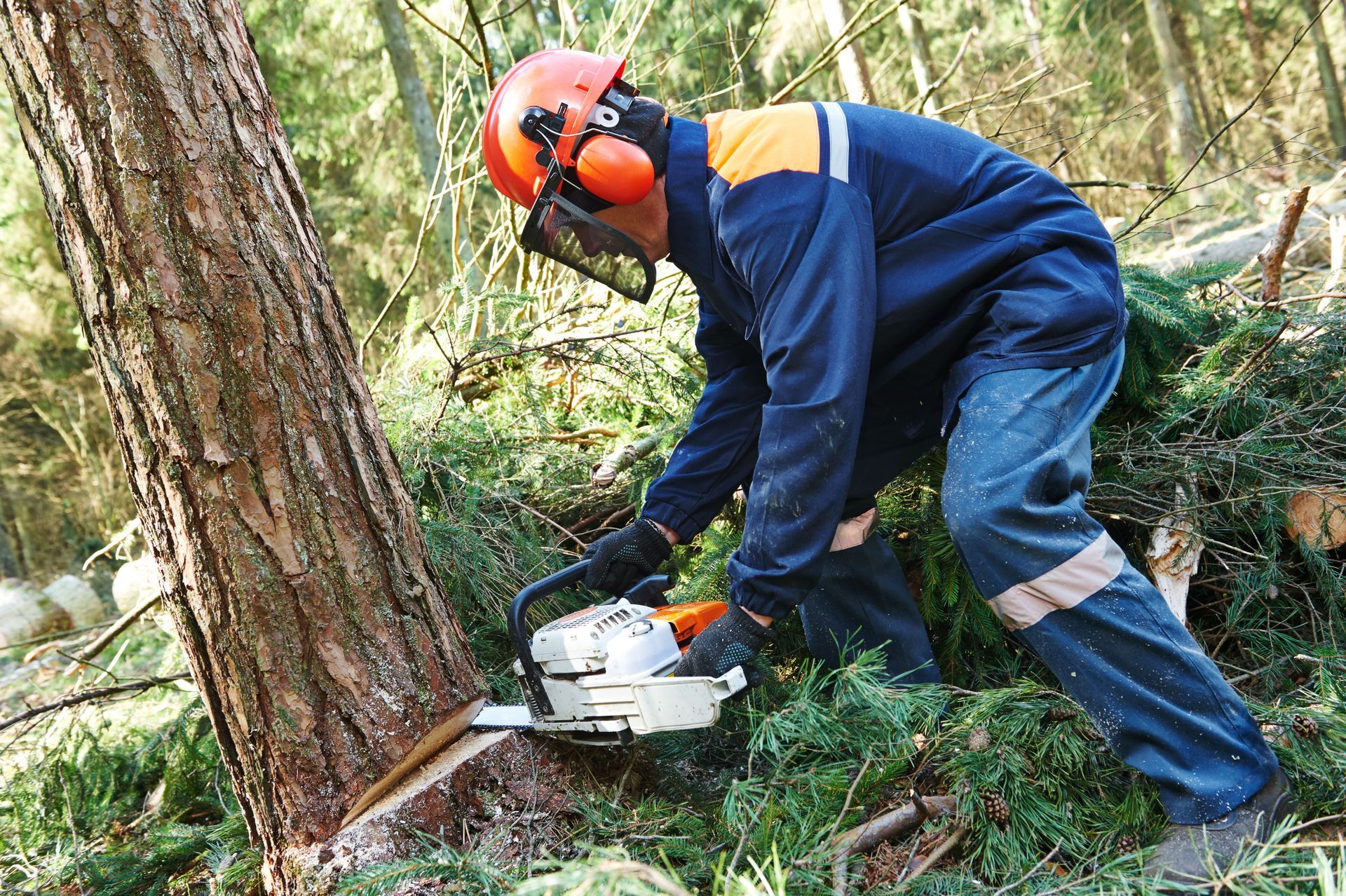
Yards provide a space for relaxation and recreation, but they can also harbor unseen dangers. Hazards in yards range from uneven ground to aggressive plant species that can cause injury. One significant risk is the potential for trees to fall during storms, leading to property damage or personal injury. To ensure safety, it is important to identify and mitigate these risks proactively. Regular inspections and maintenance practices, such as removing dead or dangerous trees through professional tree removal, are critical for maintaining a secure outdoor space.
Another common hazard in yards is the presence of pest-infested or diseased trees, which can fall unexpectedly. These weakened trees pose risks not only to the safety of individuals but also to nearby structures, including the home itself. Furthermore, overgrown trees may interfere with power lines or block driveway views, creating additional hazards. It is crucial to regularly assess the health and stability of trees and take timely action, including tree removal when necessary, to prevent accidents. Addressing these potential dangers helps protect not only homeowners but also the greater community.
The landscape of a yard significantly impacts its safety level, with trees playing a pivotal role. Thoughtfully planned tree placement can enhance safety, while neglect can lead to serious issues. Encroaching tree roots can damage infrastructure like sidewalks and sewer systems, necessitating expensive repairs. Additionally, trees may drop branches, which could injure someone if they're in the wrong place at the wrong time. These factors underline the importance of integrating tree maintenance into overall yard safety strategies.
Understanding the Role of Trees in Yard Safety
Trees provide much-needed shade and natural beauty, but they also play a functional role in defining safe spaces within a yard. Properly maintained trees can offer protection from strong winds, reducing the risk of wind-related accidents around the home. Trees can serve as barriers, preventing pets and children from accessing roads and other hazardous areas. Conversely, trees not managed well can block emergency vehicle access or become hazards during storms.
Strategically positioned and well-kept trees can increase the safety of outdoor activities. For instance, shading pathways and play areas reduces the risk for heat-related illnesses. Moreover, tree canopies protect from ultraviolet rays during sunny days, safeguarding people from potential skin damage. However, if trees overhang walkways or are at risk of dropping limbs, they can do more harm than good.
The security offered by trees extends to providing natural barriers for sound and privacy. A well-planted tree line can reduce noise pollution from neighboring properties or nearby roads, contributing to a peaceful and secure environment. Additionally, mature trees can enhance home security by blocking direct sightlines into the property from the street, which can deter opportunistic intruders. However, trees that are too close to the home can obscure windows or provide cover for potential burglars. Balancing tree positioning and its upkeep with security considerations ensures trees contribute positively to yard safety.
Learning About Common Safety Risks Associated with Trees
Falling branches are one of the most common risks associated with trees, with severe consequences for both people and property. Weather conditions such as high winds, heavy snow, or ice can compromise branches of all sizes, making them unpredictable during storms. Regular pruning and assessment by professionals can help identify potential hazards before they become problematic, while strategic tree removal may be required in severe cases. It's also crucial to watch for signs of internal decay or disease that are not apparent to the untrained eye.
Roots can also present problems by damaging underground utilities and hardscaping elements. As trees grow, their roots can invade foundations, sidewalks, and sewer systems, causing costly structural damage. This often goes unnoticed until significant damage has occurred, making preventive measures essential. Regularly monitoring root growth and employing strategies like root barriers can be effective in minimizing this risk. Addressing root issues early not only maintains yard safety but also preserves the integrity of the surrounding built environment.
Certain tree species may inherently carry more risks than others due to their growth patterns or disease susceptibility. Trees with a high incidence of disease or pest infestation require particular attention to avoid potential dangers. Identifying hazardous tree species and opting for safer alternatives can help minimize property damage and injury. Consulting with arborists when planting or managing existing trees ensures informed decisions that favor safety. Overall, maintaining a keen awareness of the risks associated with specific tree species supports a safer yard environment.
Acknowledging Legal and Liability Issues
Being a homeowner comes with the responsibility of maintaining a safe environment for visitors and community members who might traverse the property. When trees pose a danger, whether through disease, neglect, or damage, legal consequences could follow if an accident occurs. Failing to address visible signs of a hazardous tree can lead to liability for injuries or damages resulting from tree falls. Understanding local laws and homeowner liabilities related to tree management can spare trouble for all involved. Keeping detailed records of tree care is advisable for protection against potential legal claims.
Regulations regarding tree removal, especially in urban settings, often require homeowners to obtain permits before taking action. These permits help ensure that the removal practices do not violate local environmental policies or disrupt ecological balances. In protected neighborhoods, heritage laws may prevent the removal of certain large or ancient trees, despite safety concerns. Ignoring such regulations can result in fines or mandatory replanting efforts enforced by local governments. Awareness and compliance with these legal aspects are fundamental to avoiding penalties and maintaining community trust.
Legal liability extends beyond individual homeowners to include professional services engaged for tree management tasks. Engaging certified and insured arborists or tree removal services helps mitigate associated risks and potential legal repercussions. According to IBISWorld, there were 322,568 people employed in the Tree Trimming Services in the U.S. as of 2024, highlighting the scope and importance of professional involvement in tree maintenance. Contracts should clearly state each party's responsibilities and obligations to manage expectations and protect everyone involved. Thorough documentation of the work process further shields against liability claims.
Considering Community and Neighborhood Implications
Tree management extends beyond individual property lines, influencing whole communities and neighborhoods. Neglected or improper tree maintenance can result in fallen branches and scattered debris, impacting communal open spaces and roadside areas. Poorly maintained trees might also disrupt the neighborhood's electrical supply if they intersect with power lines. Communities benefit greatly from cooperative efforts focused on tree care, enhancing public safety while maintaining neighborhood aesthetics. Collaboration in tree care initiatives fosters a unified approach to maintaining neighborhood safety.
In many neighborhoods, trees function as a shared heritage, enhancing community identity and cohesion. Large old trees can provide public gathering spots or aesthetically pleasing environments. Therefore, any removal decisions should consider the emotional and historical value of trees to the community. Public consultations or local government approval may be required for tree removal to gauge community sentiment and impact. Sensitive handling of such community-related issues respects residents' connections to shared outdoor spaces.
Additionally, community education about tree safety can encourage empowering residents with knowledge to effectively manage their landscaping concerns. Informing residents about maintenance practices, potential tree-related hazards, and legal requirements ensures a collective understanding that enhances overall safety. Educational programs can be established to teach both children and adults how to responsibly interact with their environments. Engaging neighborhoods in such initiatives cultivates a deeper respect for tree management and its societal implications. Sharing resources and knowledge collectively benefits the broader community's health and safety.
Yard safety is a shared responsibility that blends thoughtful planning, ongoing maintenance, and awareness of legal and community considerations. By addressing risks early, seeking professional guidance, and implementing solutions such as responsible tree removal, homeowners can create safer, more resilient outdoor spaces. These efforts not only protect individual properties but also contribute to the well-being and security of the wider neighborhood. If you need a tree removal service, contact Hudson Tree Service today.